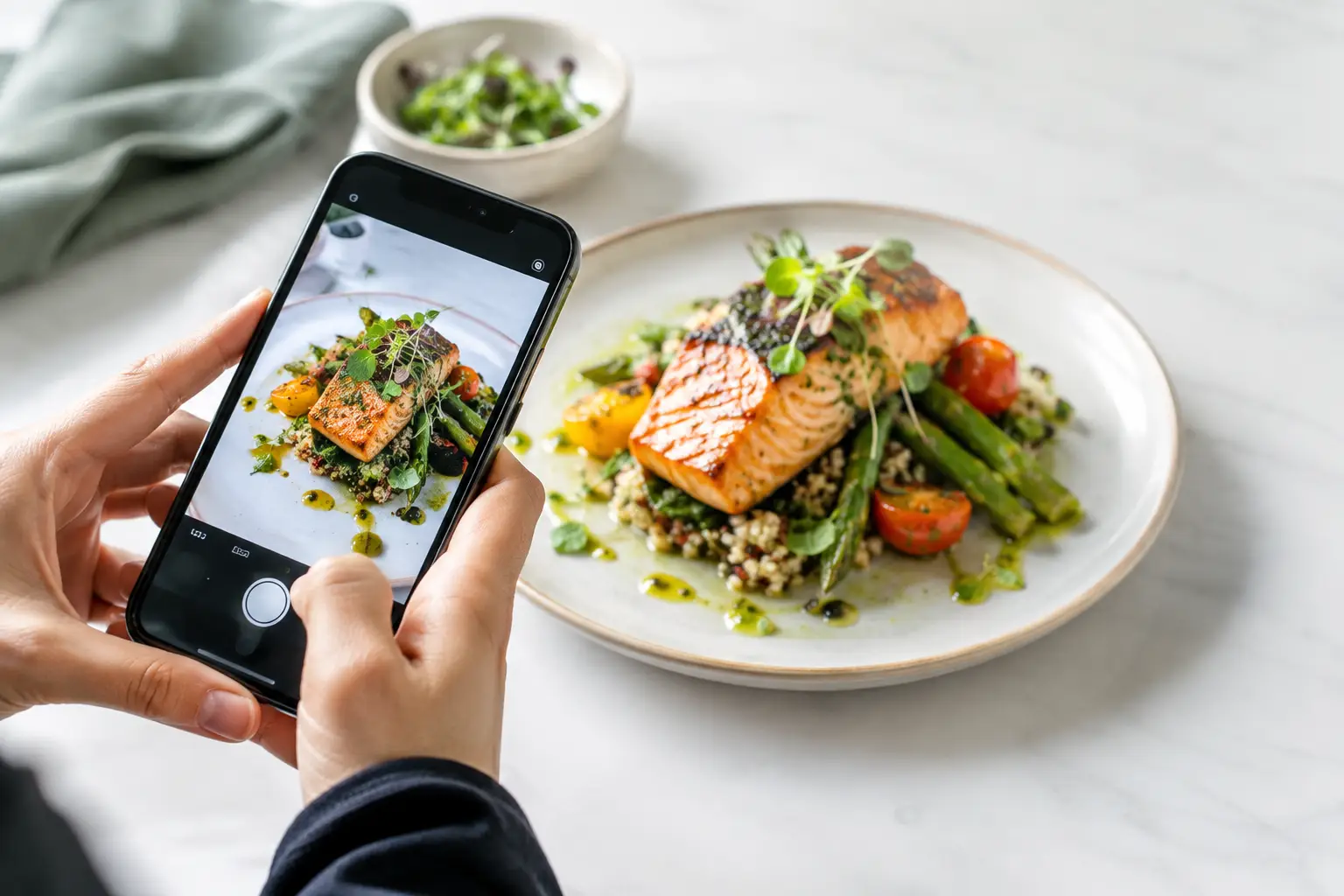
A menu photo can make the difference between an excited first bite and a $20 disappointment. That is why AI food photography trends deserve more than a quick look at flashy, perfectly styled plates. For diners, the real question is simple: does this image help me understand what I am actually ordering?
AI can make restaurant imagery faster to produce, easier to edit, and more accessible in useful ways. It can also create a serious trust problem when a dish looks better, bigger, or entirely different from what arrives at the table. As restaurants and ordering platforms adopt new tools, authentic food imagery needs to remain the standard.
AI food photography trends are moving from editing to creation
The earliest use of AI in food photography is often practical and low-risk. Restaurants can use AI-powered editing tools to brighten a dim photo, remove an accidental background distraction, sharpen details, or crop an image for a delivery app. Those changes can help a real dish look clearer on a small phone screen without changing what the customer should expect.
The bigger shift is generative AI. Instead of improving a photo of an existing meal, a system can create a new food image from a prompt or assemble one from multiple visual references. A restaurant might use it to mock up a seasonal menu item before a photo shoot, produce social posts quickly, or fill gaps in a digital menu.
That speed is appealing, especially for independent restaurants that do not have the budget for frequent professional shoots. But a generated image is not evidence of the finished dish. It may invent ingredients, exaggerate portions, change texture, or add garnishes that are never served. A glowing cheese pull may look great in a feed while giving diners the wrong expectation about a sandwich.
The distinction matters most at the moment of purchase. Marketing can be aspirational. Menu discovery should be accurate.
The trend that matters most: authenticity over perfection
Food has always been styled. Ice cream melts, herbs wilt, and a plate can lose its appeal under harsh dining-room lighting. A little color correction or composition help is not the enemy. The problem begins when editing crosses into misrepresentation.
A useful test is whether the image still represents the meal a customer can reasonably expect to receive. If AI removes a napkin in the background, that is unlikely to affect an ordering decision. If it doubles the amount of shrimp, transforms a frozen patty into a handmade-looking burger, or makes a spicy dish appear mild, it does.
This is where real diner photos have a special role. They show portion size, packaging, plating, and texture in the conditions people actually experience. They can be imperfect, but they answer practical questions polished images often avoid: Is the salad filling? Does the sauce come on the side? Is the bento box really enough for lunch? Does the dessert travel well?
For people who experience decision fatigue, those details reduce the mental work of ordering. For diners with visual impairments, accurate images paired with clear descriptions can make a text-heavy menu more understandable and usable. Better food imagery is not just about making people hungry. It is about making the decision more accessible.
AI can improve access when it supports real images
Used thoughtfully, AI can make real food photos easier to find and understand. Image recognition can help organize thousands of community photos by dish name, restaurant, category, or visible ingredients. That makes visual menu libraries more useful as they grow.
AI can also generate helpful descriptions for images, such as identifying a bowl of ramen, a grilled chicken sandwich, or visible toppings on a pizza. Those descriptions should be reviewed carefully, especially around allergens and dietary needs. An image alone cannot confirm whether a dish is gluten-free, vegan, halal, or safe for someone with a severe allergy. Restaurants and diners still need reliable ingredient information.
There is also potential for smarter accessibility features. AI may help create alt text, improve image contrast, flag blurry uploads, and surface multiple angles of the same dish. The best outcome is not replacing human context. It is helping more people access it.
That principle should guide every use of AI in restaurant imagery: enhance clarity, do not manufacture certainty.
Community photos are becoming more valuable
As generated images become easier to make, proof becomes more valuable. Diners are likely to pay closer attention to photos that feel current, location-specific, and grounded in a real visit. A photo uploaded by someone who ordered the dish last week can offer something a generic AI image cannot: accountability.
Community-powered photo libraries also reflect the full menu experience. One restaurant may have an excellent official image of its signature pasta, but diners may want to see the kids’ meal, the vegetarian option, the takeout container, or the side dish that comes with an entree. Those are the images that help someone choose with confidence.
At Pic-ture That!™, this is the opportunity behind visual menu discovery: people can help other diners see what is real before they spend. Contributing a meal photo is more than sharing a food moment. It helps build a clearer, more inclusive dining experience, while rewards give contributors a reason to keep the community growing.
Of course, user-generated content needs care, too. Photos can be old, mislabeled, poorly lit, or tied to a limited-time item that is no longer available. Strong platforms should show the restaurant location, dish name, upload date when possible, and whether a photo came from a diner or the restaurant. Context turns a photo into useful information.
What restaurants should disclose
Restaurants do not need to avoid AI completely. They do need to use it responsibly. The most customer-friendly approach is to separate images used for inspiration from images meant to represent an order.
If an image is fully generated or substantially altered, a clear label helps diners interpret it correctly. If it is a real photo with light edits, the restaurant can focus on making sure the dish remains representative. For dishes that vary by season, location, or availability, a brief note can prevent frustration.
Accuracy is especially important for dietary choices. AI visuals should never imply ingredients, portion sizes, or allergen accommodations that the kitchen cannot reliably provide. Restaurants also need to avoid using generated images that flatten cultural food traditions into vague visual stereotypes. A dish deserves to be represented with care, not treated as a prompt for an algorithm.
The payoff for honest imagery is bigger than one order. Customers who receive what they expected are more likely to return, leave better reviews, and trust the menu the next time they are hungry and short on time.
How diners can read food images more confidently
You do not need to become a photo expert to spot the difference between helpful imagery and a highly polished guess. Start by looking for signals of context. Is the photo attached to the specific restaurant and menu item? Does it show a real plate, tray, or takeout package? Are there several recent images from different people?
Be cautious when every dish has the same dramatic lighting, impossible shine, and identical styling. That does not automatically mean an image is AI-generated, but it may mean the photo is promotional rather than representative. If the image is your main reason for ordering, look for a second source of confirmation, such as another diner photo or a detailed menu description.
For dietary needs, treat photos as visual support rather than a safety guarantee. Ask the restaurant directly about ingredients, preparation, and cross-contact. A clear picture can reduce uncertainty, but it cannot replace a conversation when health is on the line.
A better standard for food photos
The future of restaurant imagery should not be a contest to create the most perfect-looking plate. It should be a push toward clearer choices. AI can help restaurants organize, improve, and describe visual content at scale. Community photos can keep that content grounded in real meals and real expectations.
The next time a menu leaves you guessing, look for images that show the truth of the dish, not just the fantasy of it. A photo that helps you order the right meal is doing exactly what food photography should do.
Leave a Reply