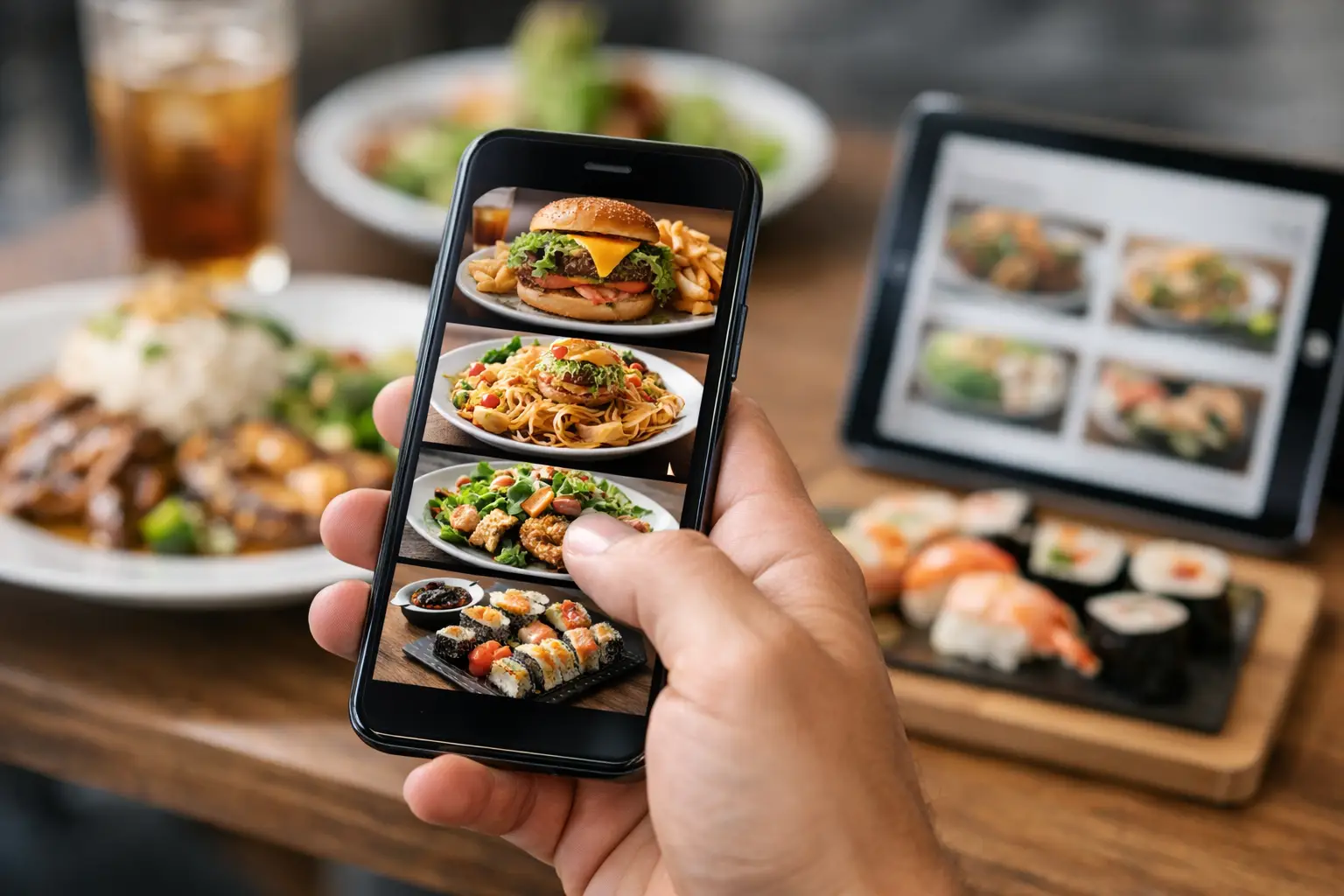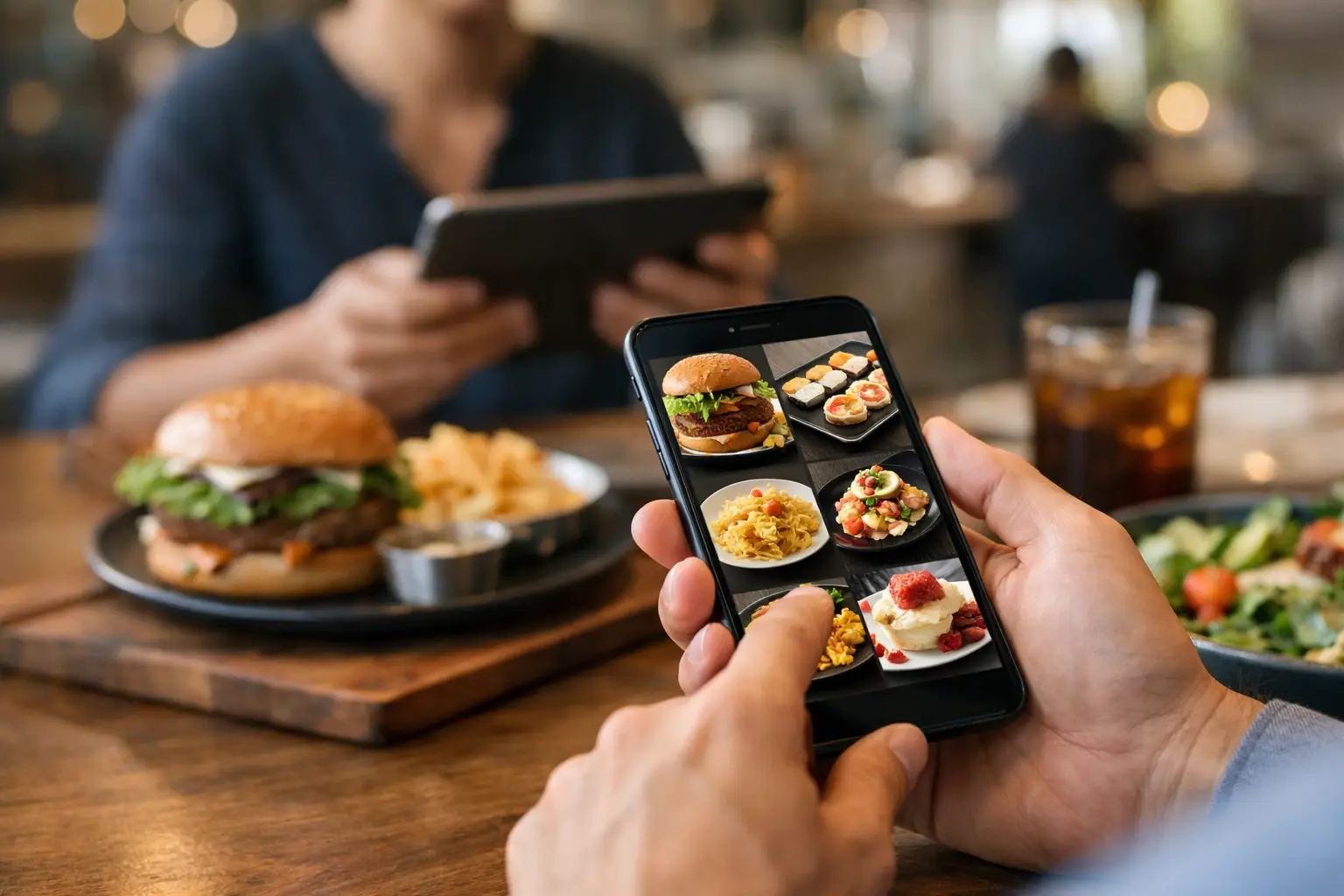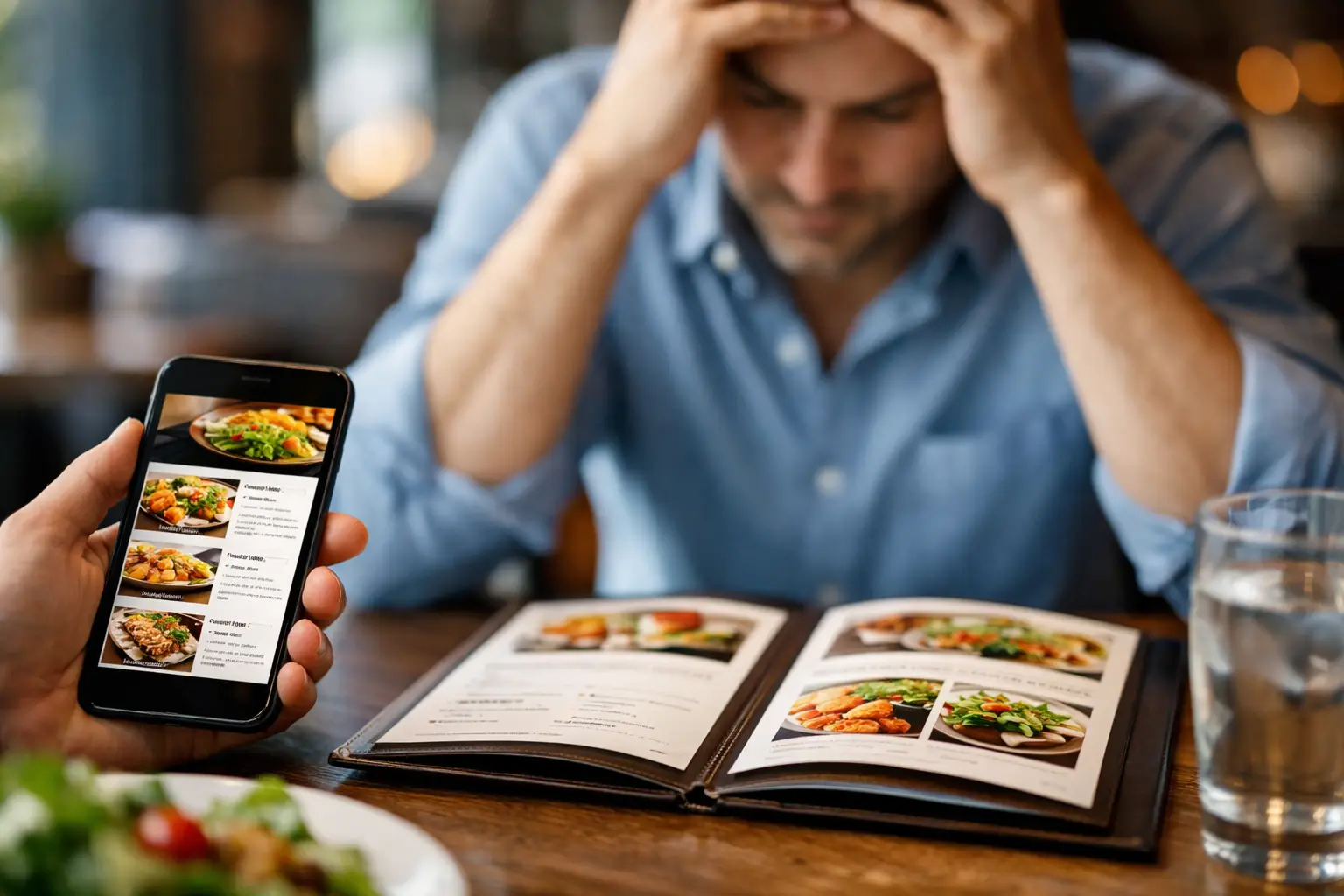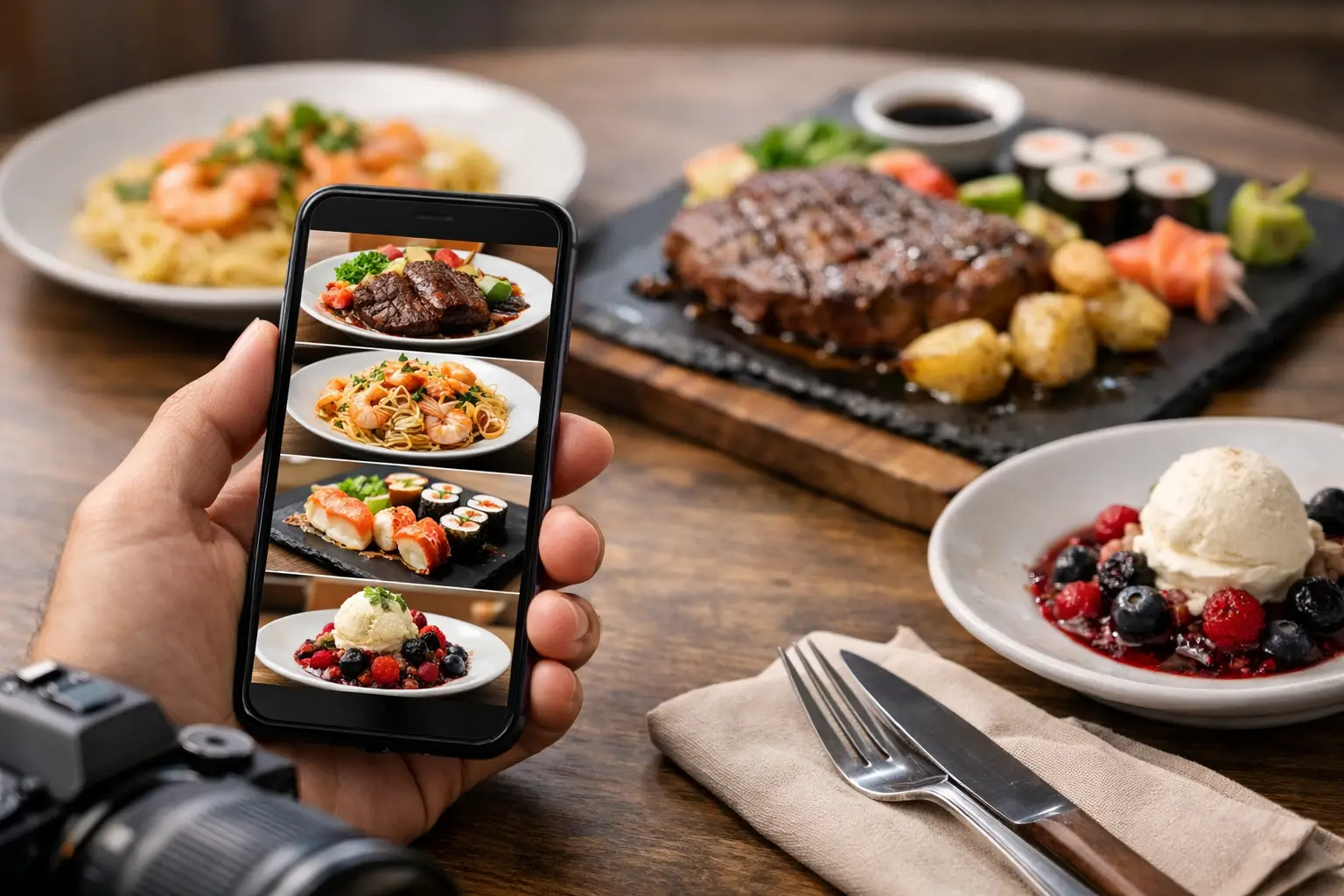
You know the feeling. You scan a menu, land on a dish with a promising name, and still have no real idea what will show up at the table. Is it a light lunch or a huge plate? Is the sauce poured over everything? Does it actually look fresh, spicy, crispy, or worth the price? A restaurant dishes with pictures app fixes that gap by showing people what they are ordering before they spend money.
That sounds simple, but it changes a lot. Seeing real food photos is not just a nice extra for curious diners. It can make ordering easier, faster, and more accessible. It can reduce decision fatigue, cut down on disappointing orders, and give people more confidence when they are trying a new restaurant, navigating dietary preferences, or ordering with limited menu detail.
Why a restaurant dishes with pictures app matters
Most restaurant menus still ask customers to make a visual decision without visual information. You get a dish name, maybe a short description, and sometimes a few ingredients. That might work if you already know the cuisine well. It works a lot less well when the wording is vague, the portion size is unclear, or the dish is unfamiliar.
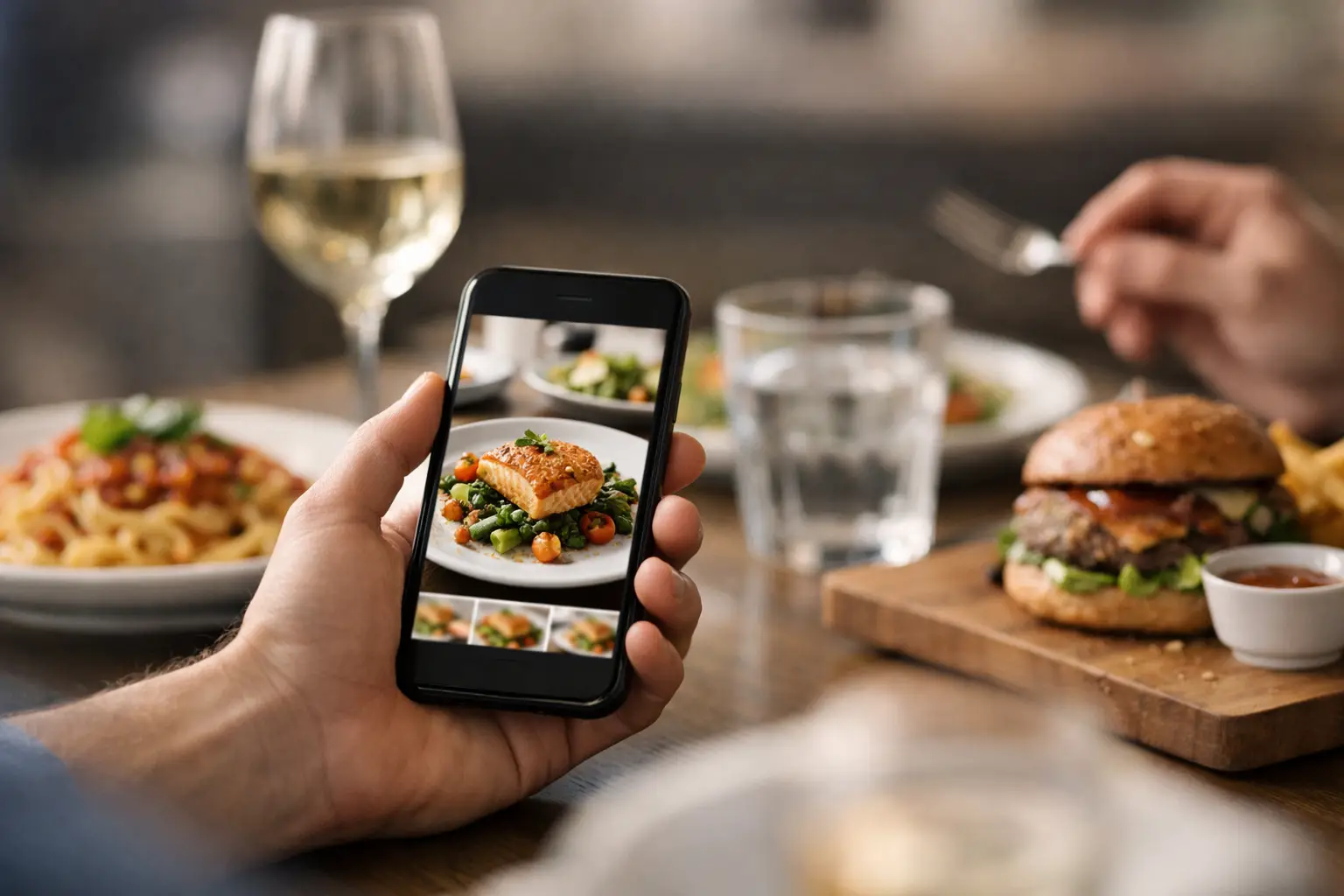
A restaurant dishes with pictures app brings transparency to that moment. Instead of guessing, users can compare dishes visually and make a more informed choice. That matters for anyone who wants fewer surprises, but it matters even more for people who rely on visual cues to understand what they are ordering.
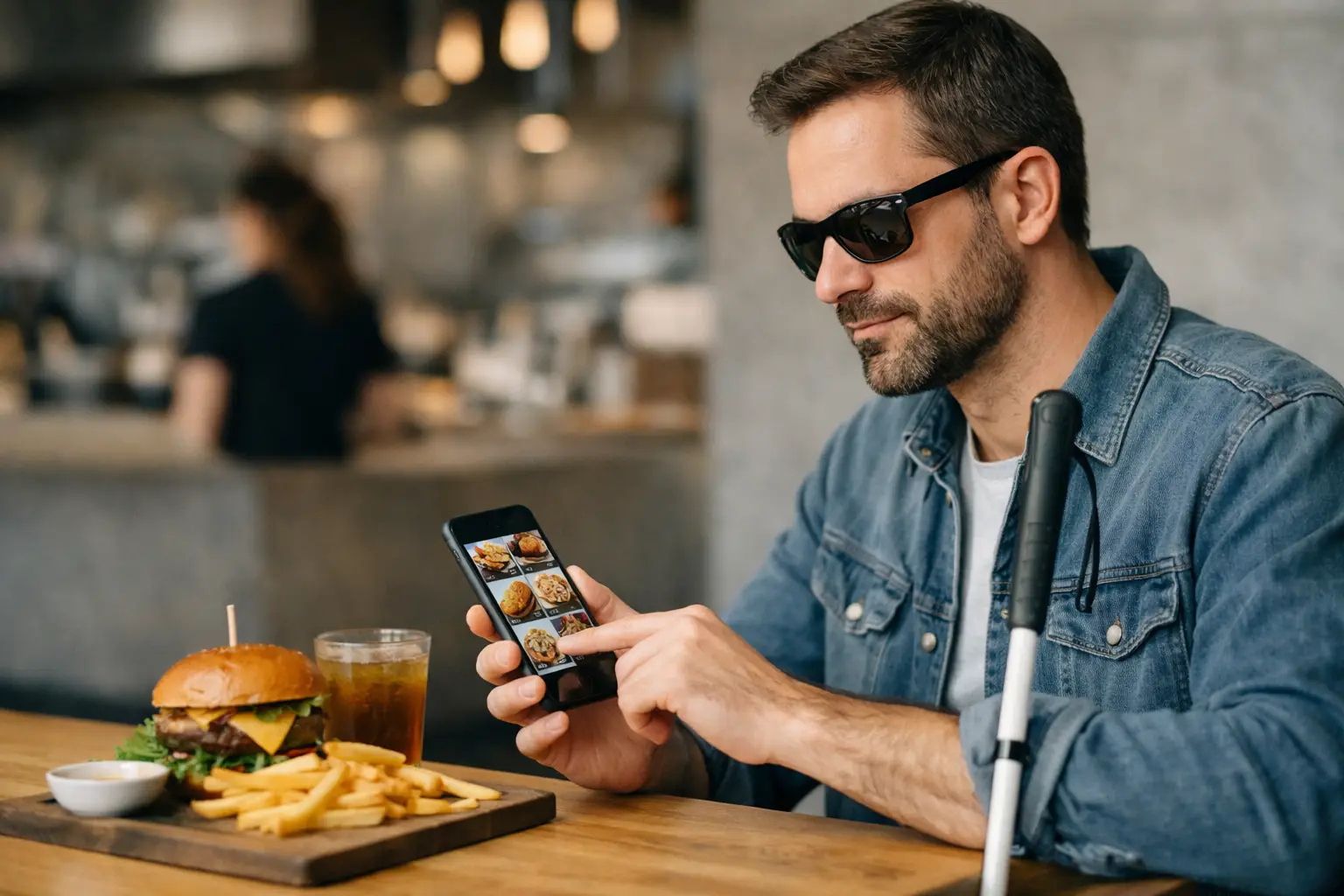
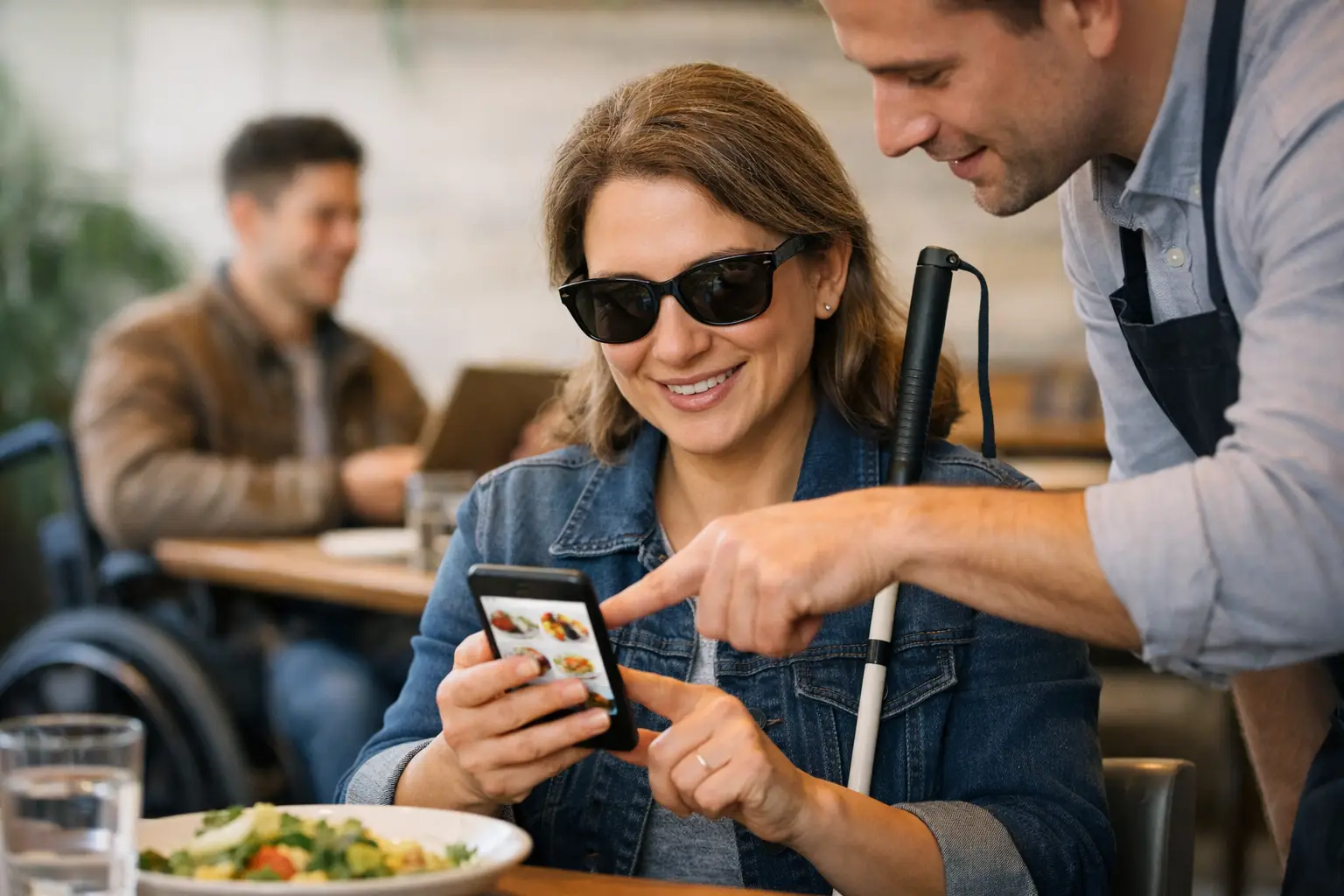
For diners with visual impairments, that need can look different. Some may use assistive technology to navigate text but still benefit from structured image descriptions, consistent photo labeling, or a more accessible way to identify dishes. For people with decision fatigue, the value is just as real. A clear image can shorten the mental back-and-forth that often comes with ordering from a long or poorly explained menu.
This is where food photos stop being just marketing and start becoming a practical tool. They help people choose with more clarity, which makes dining feel more inclusive.
What makes a good restaurant dishes with pictures app
Not every food photo experience is equally useful. A polished promotional image on a restaurant website can look great, but it does not always help someone decide what they will actually receive. The best apps focus on authenticity, consistency, and ease of use.
Real customer photos usually tell a more helpful story than staged shots. They show plating, portion size, side items, toppings, and the little details that affect whether a dish feels satisfying. They also set more realistic expectations. If the goal is confidence, accuracy matters more than perfection.
A strong app also needs clear organization. Users should be able to search by restaurant, browse by dish, and quickly match images to actual menu items. If the photo library is messy or incomplete, people are back to guessing. Good structure is part of accessibility.
Speed matters too. If someone is standing in line, ordering takeout, or scrolling delivery options on a phone, they are not looking for a complicated experience. They want an app that helps them answer a basic question fast: What does this food really look like?
Real benefits for everyday ordering
The appeal of a visual food app is easy to understand once you think about how often people order with incomplete information. That happens at sit-down restaurants, fast casual spots, takeout counters, food halls, and delivery apps. In each case, a photo can remove friction.
One obvious benefit is avoiding bad orders. When people can see a dish before buying it, they are less likely to order something that is too small, too messy, too heavily dressed, or simply not what they expected. That means fewer regrets and less wasted money.
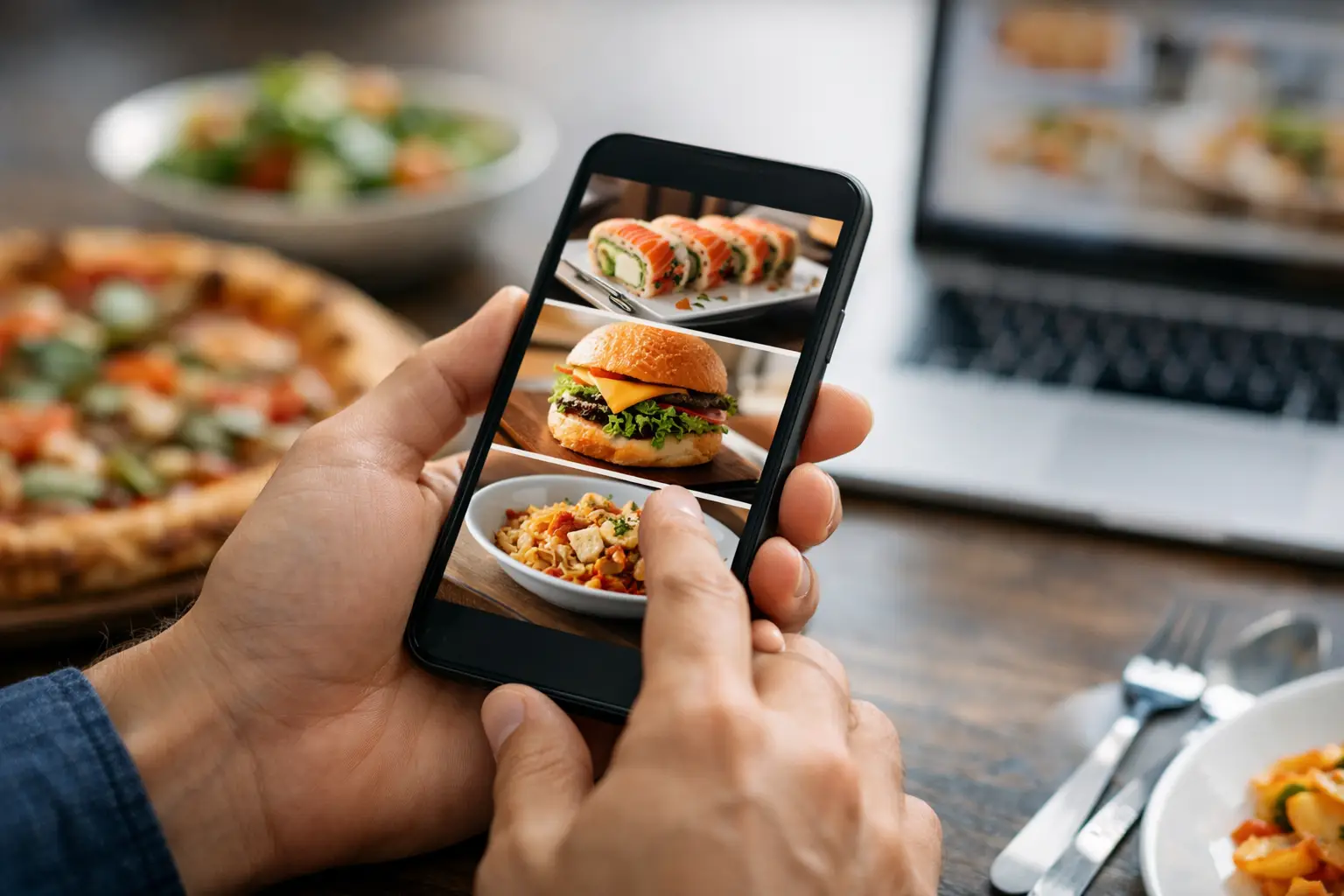
Another benefit is speed. Menus can be overwhelming, especially when every item sounds similar or uses unfamiliar terms. Images narrow the field quickly. Instead of reading ten descriptions twice, users can spot what looks right and decide with less effort.
There is also a social side to this. Group ordering gets easier when everyone can see options instead of debating vague menu wording. That can be especially helpful for families, friend groups, and anyone sharing food across different tastes and needs.
Accessibility is not a side feature
A lot of restaurant tech treats accessibility like a box to check later. That approach misses the point. For many people, seeing accurate representations of dishes or accessing image-supported menu information is part of making dining more equitable.
Text-only menus often assume that a short description is enough. It usually is not. Words like crispy, house-style, loaded, or classic do not tell users how a dish appears in real life. They do not communicate spacing, texture, layering, garnish, or serving size very well either.
A restaurant dishes with pictures app can help close that gap when it is built thoughtfully. That means pairing visual content with clean labels, logical navigation, and a community that values useful contributions over random uploads. The goal is not just to add more images. The goal is to make menu choices easier to understand for more people.
That is one reason this kind of app has a bigger role than simple food inspiration. It supports confidence. It supports informed decisions. And it treats visual clarity as something diners deserve, not something they should hope for.
Why community-powered photos work so well
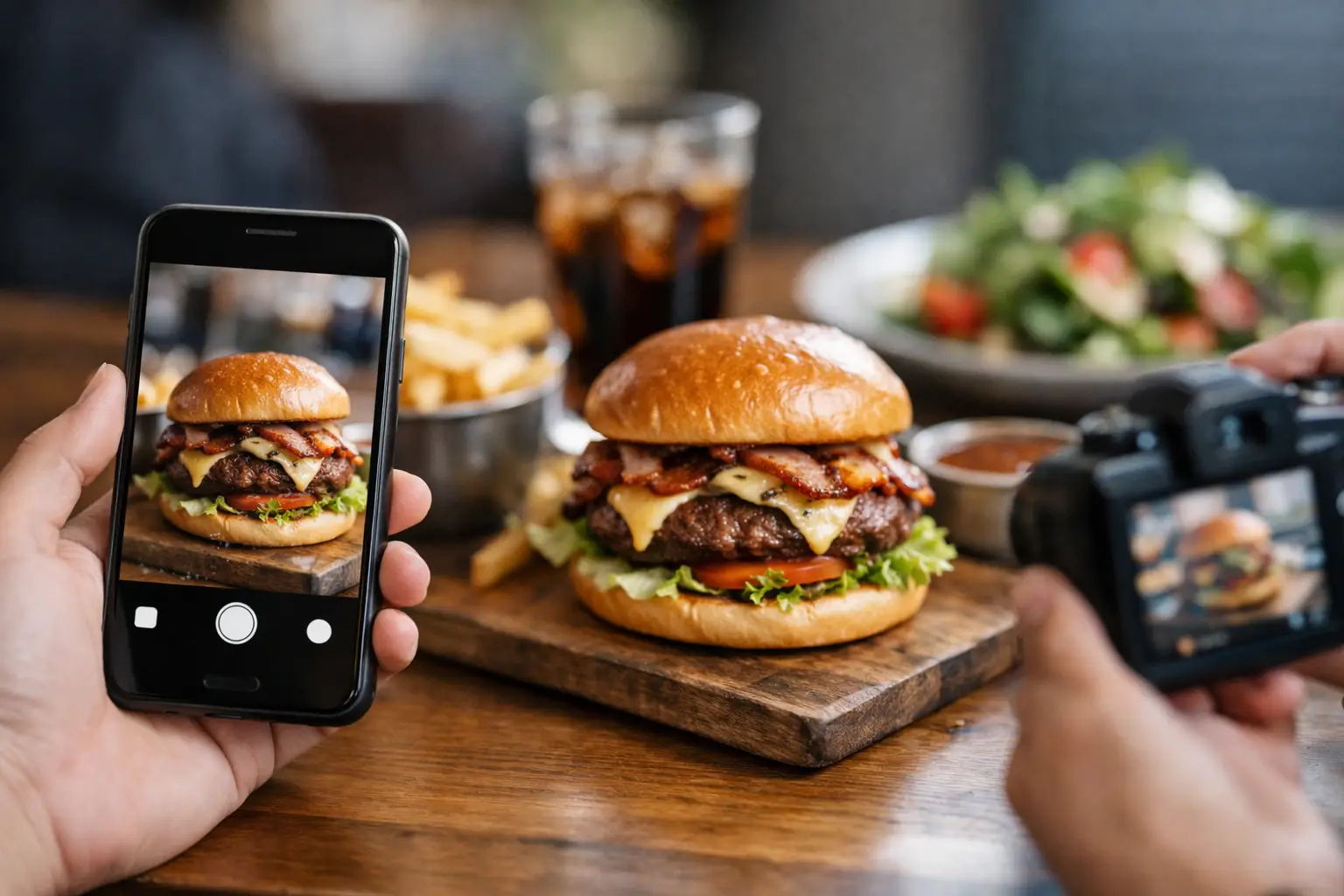
Restaurant menus change constantly. New specials appear, plating shifts, side options rotate, and locations vary. That makes it hard for any static library to stay accurate on its own. A community-powered model solves part of that problem by letting diners contribute fresh photos over time.
This approach creates a more realistic picture of what restaurants are serving now, not just what they promoted months ago. It also scales in a way that traditional menu photography does not. The more people participate, the more coverage the app can build across cities, chains, and neighborhood favorites.
There is a trust factor here too. User-submitted photos often feel more believable because they reflect actual ordering experiences. They are not trying to sell a fantasy. They are helping the next person make a better choice.
When contributors are rewarded, participation becomes even stronger. That gives people a reason to upload helpful photos after a meal and turns the app into a shared resource instead of a one-way platform. Pic-ture That!™ leans into that idea by connecting photo contributions with community value and practical rewards.
Where the trade-offs come in
Of course, no app solves every menu problem perfectly. Photo coverage may be strong in some areas and thin in others, especially in early-stage platforms. Some dishes will have multiple images, while others may not have any yet. That is normal for a growing photo library.
User-generated content also needs moderation. If photos are mislabeled, outdated, or low quality, they can create confusion instead of clarity. The best platforms handle this with smart review systems, clearer upload guidance, and a focus on matching photos to the right menu items.
There is also the question of expectations. A real diner photo is usually more helpful than a stylized promo shot, but it may not be perfectly lit or beautifully framed. That is a trade-off worth making if the goal is honesty. Most users do not need food to look glamorous. They need it to look real.
What to look for before downloading one
If you are comparing apps in this space, focus on usefulness over hype. Check whether the app shows real dish-level photos rather than just restaurant interiors or generic food shots. Look for clear restaurant matching, easy mobile browsing, and a growing library that feels active rather than abandoned.
It also helps to look at the app’s mission. Some food platforms use images mainly to drive engagement. Others are built around transparency and accessibility from the start. That difference shows up in how the product feels. An app designed to reduce uncertainty tends to be more practical, more inclusive, and more respectful of the decision-making moment.
And if you like contributing as much as browsing, see whether the platform makes it easy to upload photos and rewards users for helping expand coverage. That turns everyday dining into something useful for the next person too.
Restaurant ordering should not feel like a blind bet. A good restaurant dishes with pictures app gives people a clearer view of what they are choosing, and that small shift can make dining feel a lot more confident, accessible, and fair. If more of us help build that kind of menu transparency, everyone gets a better shot at ordering something they actually want.