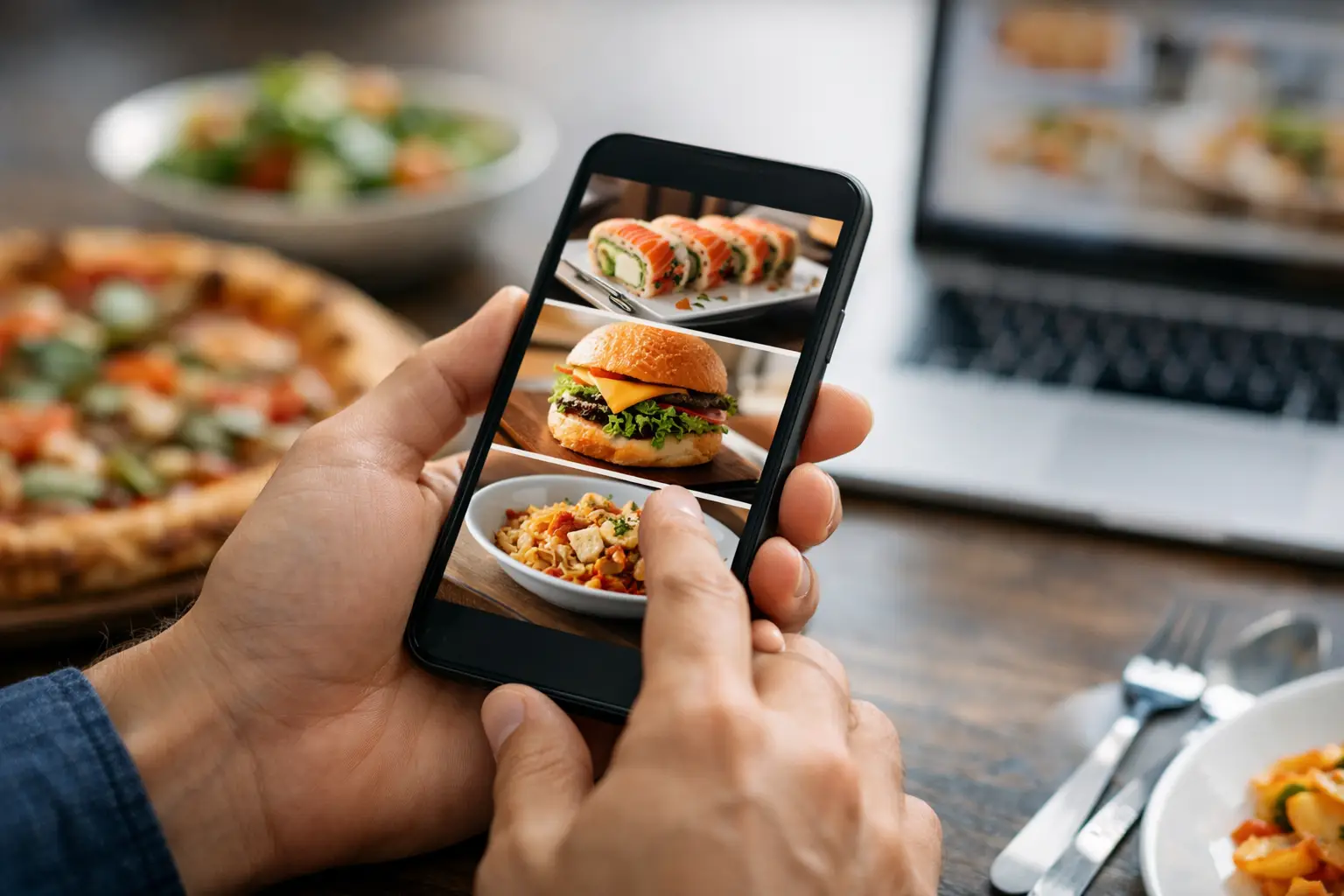
You know the feeling: a menu sounds amazing, the price is not small, and then the plate shows up looking nothing like what you pictured. If you want to see what food looks like before ordering, you are not being picky. You are trying to make a confident decision with real information.
That matters for almost everyone, but especially for people managing decision fatigue, dietary preferences, budget limits, or visual impairments. A text-only menu can leave too much open to interpretation. “Crispy,” “loaded,” or “house style” might sound appealing, but those words do not tell you portion size, presentation, toppings, texture cues, or whether a dish actually looks worth ordering.
Seeing the food first closes that gap. It turns ordering from a guessing game into a clearer, more accessible experience.
Why people want to see what food looks like before ordering
Most restaurant menus were built to describe food, not truly show it. That worked when your main choice was between a few familiar dishes. Now menus are longer, customization is everywhere, and people are often ordering from a phone screen while multitasking, commuting, or trying to make a quick lunch decision between meetings.
In that context, photos do more than make food look appealing. They give shape to the choice. You can spot whether the pasta is creamy or light, whether the sandwich is stacked high or pretty compact, whether the salad looks fresh and balanced or mostly filler. For someone with limited vision, authentic photos can also offer meaningful context that menu wording alone may not provide.
There is also a money issue here. Ordering food has gotten expensive. People want fewer disappointments, fewer untouched sides, and fewer moments where the meal that arrives feels like a mismatch. Real dish images can reduce that friction.
What a good food photo actually helps you judge
The most useful restaurant photos are not just pretty. They answer questions you already have, even if you do not say them out loud.
A strong image can help you estimate portion size, compare plating styles, notice sauces and garnishes, and get a better sense of ingredient balance. It can also reveal details that menu copy skips over, like whether the “spicy aioli” is drizzled lightly or covers everything, or whether the “seasonal vegetables” are a major part of the plate or an afterthought.
This is where authentic, user-submitted photos often matter more than polished marketing shots. Professional images can be helpful, but they are usually staged. Real photos taken by diners tend to show what actually arrives at the table. That difference matters when your goal is confidence, not hype.
The best ways to see what food looks like before ordering
If you are trying to see what food looks like before ordering, there are a few common paths people take. Some are better than others.
The first is checking a restaurant’s own website or delivery listing. This can work, but coverage is often limited. Many menus only show a few featured dishes, not the full menu, and photos may be heavily styled. They can still give you a starting point, but they are not always enough for a real decision.
The second is searching social media or review platforms. This sometimes uncovers useful customer photos, especially for popular spots. The downside is inconsistency. You may find outdated images, low-quality uploads, or photos that do not clearly match the current menu item. It can also take too long when all you wanted was a quick answer before tapping “order.”
The third option is using a platform built specifically around real dish discovery. That approach is stronger because the whole experience is designed around visual menu confidence. Instead of hunting across random apps and hoping someone happened to post the exact dish, you can look for actual meal photos tied to menu items.
That is the gap platforms like Pic-ture That!™ are working to solve – helping people view real images of restaurant dishes before they spend money on them, while making the process more accessible and community-driven.
Why this is bigger than convenience
It is easy to frame food photos as a nice extra. They are not. For many users, they are part of accessible decision-making.
Text-heavy menus can create friction for people with visual impairments, cognitive overload, or decision fatigue. Even when a menu is technically readable, it may still be hard to form a clear mental picture of the dish. And when the choice involves spending money, time, and energy, uncertainty becomes more than a minor annoyance.
Photos help create dining equity. They support more informed choices for people who need visual context, and they reduce the pressure of interpreting vague menu language. That does not mean every photo solves every accessibility challenge. Image quality, labeling, and consistency still matter. But moving from text-only ordering to image-supported ordering is a meaningful step toward better access.
What to watch out for when using food photos
Not every image helps. Some can actually make ordering more confusing.
One common problem is mismatch. Menus change, recipes shift, portions vary by location, and seasonal ingredients can alter how a dish looks. A photo might still be real and yet not reflect today’s version exactly. That does not make food images useless. It just means they work best as a guide, not a legal guarantee.
Another issue is quality. Blurry, badly lit photos can make food look worse than it is or hide useful details. There is a balance here. You want authenticity, but you also want enough clarity to evaluate the dish.
Context matters too. A close-up can make a portion look huge. A wide shot can flatten texture and detail. The most helpful image libraries usually improve over time as more contributors upload different angles and better examples of the same item.
Why community-powered photos are so valuable
Restaurant transparency gets stronger when diners help build it. A community-powered photo library can cover more menu items, show more real-world variations, and keep content fresher than a small set of static promotional images.
That model also changes the relationship between diners and discovery. People are not just passive customers scrolling through menus. They can contribute photos, help other users make better choices, and shape a more useful dining tool for everyone.
There is something powerful about that, especially when rewards are part of the experience. Earning restaurant gift cards for uploading meal photos gives people a practical reason to participate, but the bigger value is shared clarity. One uploaded image can save someone else from an expensive miss or help them finally feel sure about what to order.
See what food looks like before ordering and feel more confident
Confidence is the real outcome here. Not perfection, not endless comparison, not turning every lunch order into research.
When you can see a dish before ordering, you make faster choices with less second-guessing. You are more likely to pick something that fits your appetite, budget, preferences, and expectations. That is useful on a busy weekday, and it is just as useful when you are trying a new restaurant or ordering for a group.
It also makes restaurant discovery feel more welcoming. People should not have to decode vague descriptions and hope for the best. They should be able to see enough to decide whether a dish feels right for them.
The future of ordering is more visual and more inclusive
Menus are not going away, and they should not. Written descriptions still matter for ingredients, allergens, preparation, and style. But text alone is not enough anymore.
The next step is not replacing menus. It is making them more complete. That means pairing descriptions with authentic visuals, building stronger menu transparency, and treating food imagery as a practical tool for access, not just marketing.
Some restaurants will move faster than others. Some cuisines and independent spots may have less photo coverage at first. That is where community participation matters most. Every shared dish photo helps build a dining experience that is clearer, fairer, and easier to trust.
If you have ever wished you could just see the plate before committing, that instinct is right. Better food decisions start with better visibility – and a better dining experience starts when more people can order with confidence.
Leave a Reply