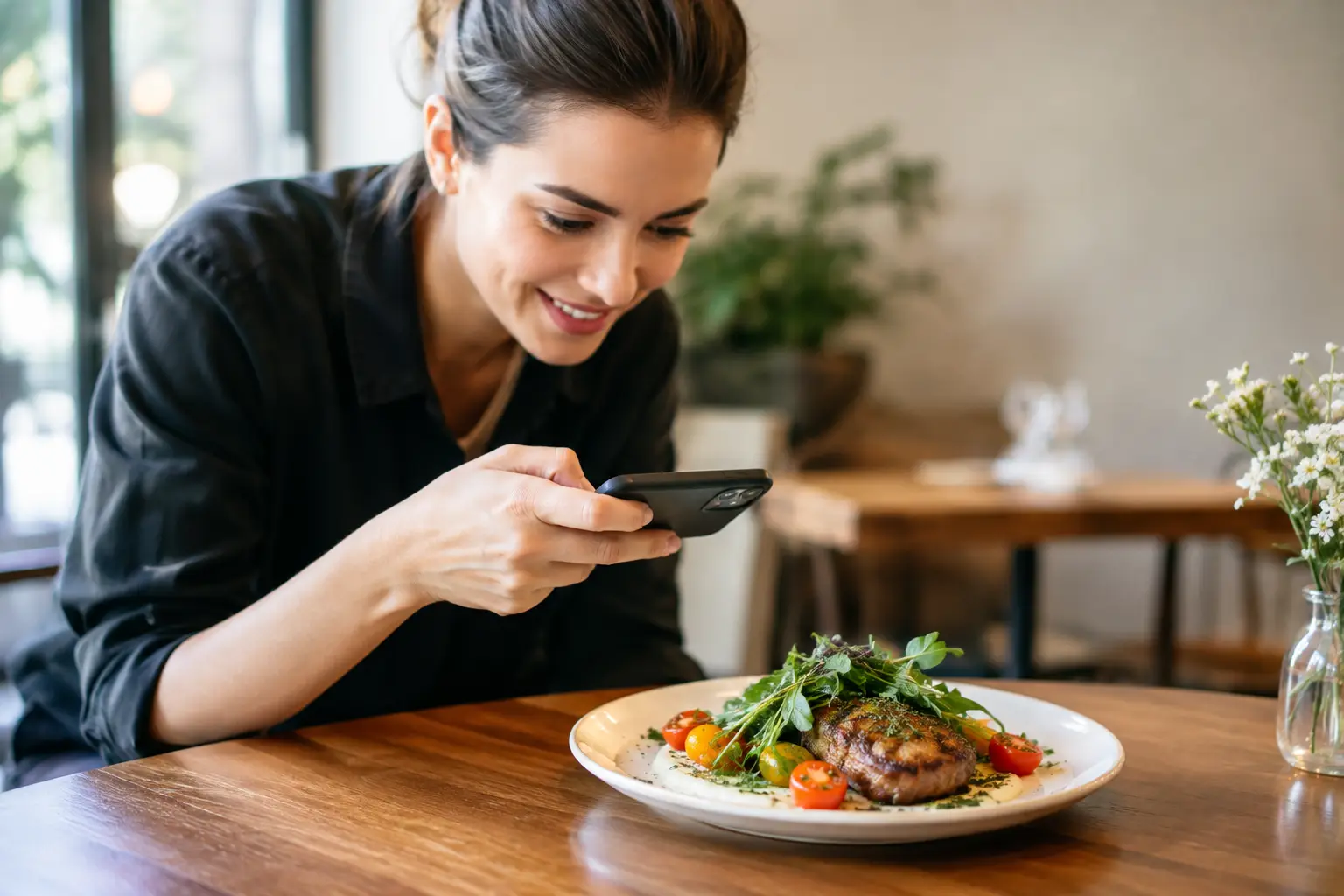
A menu can call something “crispy,” “loaded,” or “chef’s favorite” and still leave you guessing. What makes restaurant photos trustworthy is not a perfectly styled plate. It is whether the image helps you understand what you are actually likely to receive before you spend your money.
That matters when you are hungry, short on time, managing dietary needs, or simply tired of decoding vague menu language. A photo should reduce uncertainty, not create a new kind of disappointment when the real order arrives looking nothing like the picture.
What Makes Restaurant Photos Trustworthy?
Trust starts with a simple promise: show the food as it is served. The goal is not to make every meal look magazine-ready. The goal is to give diners a clear, useful view of the dish – its portion, ingredients, presentation, and overall character.
A trustworthy restaurant photo lets you answer practical questions at a glance. Is the sandwich tall or flat? Does the bowl come with a lot of rice or mostly greens? Is the sauce mixed in, drizzled on top, or served on the side? Does “spicy” mean a few pepper flakes or a deep-red chile sauce?
For many diners, those details are the difference between ordering confidently and taking an expensive chance.
It matches the menu item
The most essential test is also the easiest: does the photo show the exact item named on the menu? A great image of chicken tacos is not helpful beside a listing for fish tacos if the toppings, tortillas, and sides are different.
Restaurants change recipes, portions, garnishes, and packaging. That does not make an older photo dishonest by itself, but it does mean context matters. If a dish has been updated, the image should be updated too. When users contribute photos, a recent upload date can help others judge whether the meal still reflects the current menu.
Small differences count. A photo of a burger with fries may be misleading if fries are an add-on. A smoothie in a large glass can create the wrong expectation if the standard order is a much smaller cup. Trust grows when the picture and menu work together rather than leaving diners to fill in the gaps.
It shows a realistic portion
Portion size is one of the biggest sources of ordering regret. Camera angles can make a tiny appetizer look generous, while a close crop can hide how sparse a plate really is. A reliable photo gives some sense of scale without turning every meal into a measuring exercise.
This can be as simple as showing the full plate, bowl, tray, or takeout container. Images that include familiar reference points, such as a fork, cup, or table setting, can also help. The point is not perfection. Portions naturally vary from one visit to another. The point is to show a fair representation of what a diner can expect.
Photos should also make it clear when the image includes extras. If the picture features avocado, extra protein, a premium side, or a double portion, that information should not be hidden in fine print. Diners deserve to know what comes standard.
It preserves the details that affect a decision
A trustworthy image does more than show that food exists. It reveals the details that text often misses: the amount of cheese, the texture of a crust, the ratio of toppings to base, or whether a salad is substantial enough to feel like a meal.
For someone with decision fatigue, visual information can make a crowded menu feel manageable. Instead of comparing six nearly identical descriptions, they can quickly see which pasta is creamy, which one is tomato-forward, and which dish includes visible vegetables.
For diners with visual impairments, photos need support from clear, descriptive text and an accessible app experience. A picture alone is not an accessibility solution. But paired with useful labels and descriptions, authentic food imagery can offer another meaningful way to understand a menu. Dining confidence should not depend on someone’s ability to interpret marketing language or ask a server to translate every item.
Authenticity Beats Perfect Styling
Professional restaurant photography has a place. A well-lit image can make food easier to see, and good composition can highlight ingredients clearly. The problem begins when visual polish changes the truth of the meal.
Over-edited colors, impossible cheese pulls, oversized props, and heavily arranged toppings may earn attention, but they can also set an expectation the kitchen cannot realistically meet during a busy lunch rush. A photo does not need harsh lighting or a messy table to be authentic. It simply needs to represent the dish fairly.
Community photos are valuable here because they show food in real dining conditions. You may see how a meal arrives in a takeout box, how it travels after delivery, or what the standard serving looks like at dinner on a Friday. One user photo is not the final word on a restaurant, but several recent photos can create a more complete, believable picture.
There is a trade-off. User-generated images may be less polished, occasionally blurry, or taken in low light. That is why quality standards still matter. The best community photo is clear enough to identify the meal, focused on the food, and free from filters that distort its color or size. Authentic does not mean unhelpful.
Context Turns a Photo Into Useful Information
A trustworthy photo tells the truth about the conditions around the dish, too. Is it dine-in or delivery? Is the image showing a lunch special, a catering tray, or the regular entree? Was it customized with no onions, extra sauce, or a gluten-free substitution?
Context does not need to be complicated. A short note can prevent a lot of confusion: “shown with added avocado,” “delivery order,” or “pictured with a side salad.” Those details respect the next diner’s time and budget.
The same goes for restaurant locations. A chain can serve slightly different versions of a menu item from one location to another. Local restaurants may rotate seasonal ingredients. When a photo is tied to the right restaurant and dish, it becomes far more useful than a generic image floating online with no source.
The Community Helps Keep Photos Honest
No single person sees every menu change or every version of a dish. Trust becomes stronger when a community can add current photos, flag mismatches, and show a range of real experiences.
That does not mean every upload should appear without review. Clear photo guidelines, accurate dish labels, and simple reporting tools help protect the usefulness of the library. The aim is not to shame restaurants for natural variation. It is to catch the bigger gaps: an outdated item, a mislabeled dish, a photo from another restaurant, or an image that hides important add-ons.
This is where participation has real value. When diners share an accurate picture after a meal, they are not just posting food. They are helping the next person order with less guesswork. At Pic-ture That!™, that shared visual record is part of building a more transparent and accessible dining experience.
A Quick Check Before You Trust the Photo
Before relying on a restaurant photo, look for a few signals. Is the dish clearly identifiable? Does the full serving appear in frame? Are visible sides, toppings, and upgrades consistent with the menu description? Is the image recent enough to feel relevant? And does it look like food a real kitchen could serve, rather than a fantasy version designed only for advertising?
If the answer is mostly yes, the photo is doing its job. It is helping you make an informed choice, not pressuring you into one.
The best restaurant images do not promise that every bite will be perfect. They give you something more useful: a fair chance to choose a meal that feels right for you before you order.
Leave a Reply