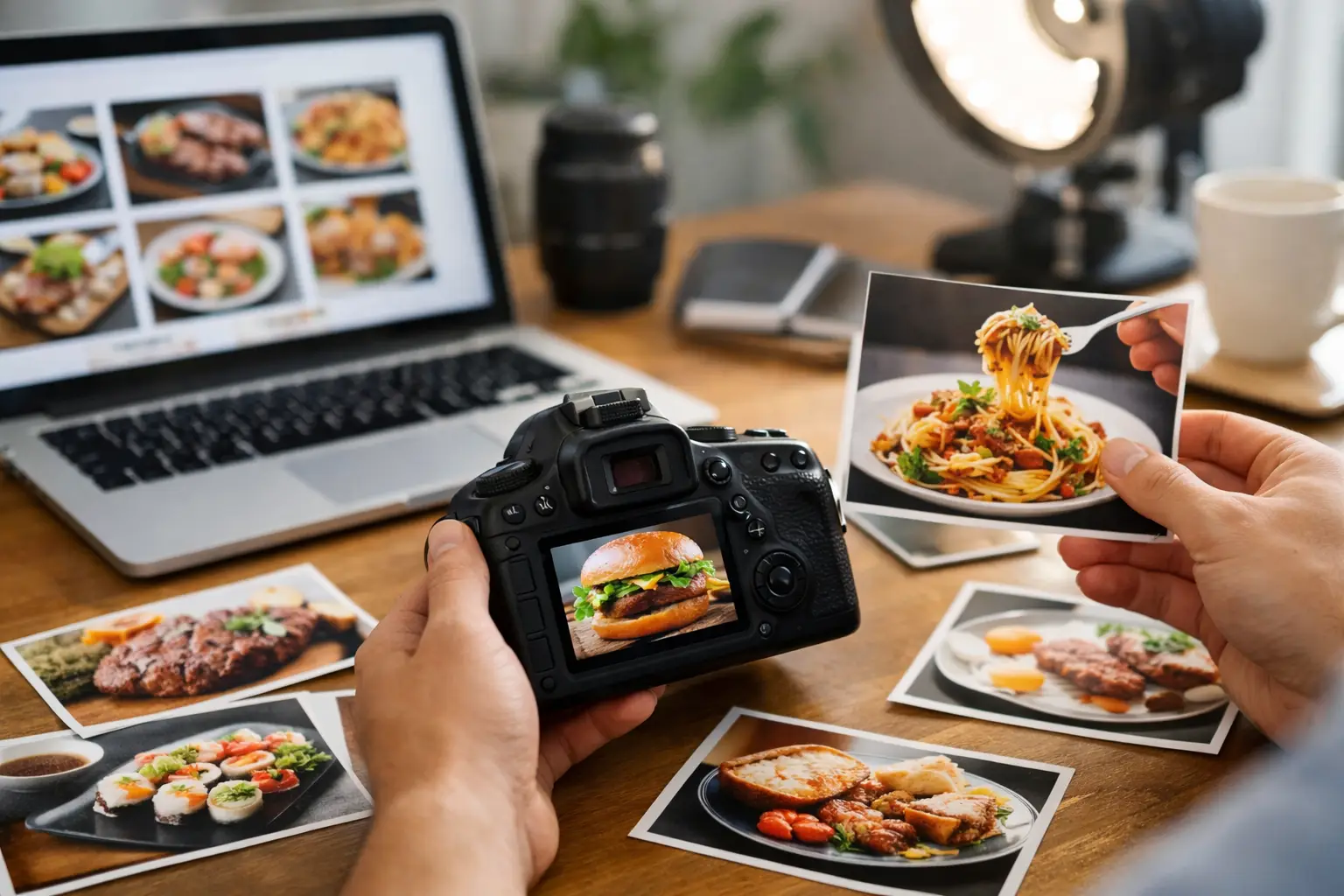
You know the feeling: a menu description sounds great, the promo photo looks polished, and then the actual dish shows up looking like a completely different order. That gap is exactly why more diners are asking how to find authentic menu photos before they spend money. When you can see what a dish really looks like, ordering gets easier, faster, and a lot less risky.
For some people, this is about avoiding disappointment. For others, it is about accessibility, decision fatigue, dietary confidence, or simply not wasting money on something that was never going to match the description. Real menu photos do more than make food look good. They give people clearer information, which leads to better dining decisions.
Why authentic menu photos matter
Restaurant menus are often built around text first and visuals second. Even when photos are included, they may be professionally staged, outdated, or limited to a handful of bestselling items. That is useful for marketing, but it is not always useful for decision-making.
Authentic menu photos help close that gap. They show portion size, plating, toppings, side items, color, and how a dish actually appears in regular lighting. That matters if you are comparing value, checking whether an item seems spicy or heavily sauced, or trying to figure out whether the food matches your expectations.
This matters even more for diners who rely on visual information to feel confident. If you have low vision, if menu wording feels vague, or if too many options leave you stuck, a real photo can reduce friction right away. Seeing the dish before ordering is not a bonus feature. In many cases, it is the most useful piece of information on the menu.
How to find authentic menu photos without getting fooled
The easiest mistake is assuming that any photo attached to a menu item must be accurate. A nice image is not automatically a trustworthy one. If you want to know how to find authentic menu photos, start by looking for signs that the image came from a real diner experience instead of a polished ad campaign.
Photos from actual customers usually have a few tells. Lighting is more natural. The angle is less staged. The table, tray, takeout container, or background often appears in frame. You may also notice variation across multiple uploads of the same dish, which is a good thing. Real food does not look identical every time.
That does not mean professional images are useless. They can help you spot ingredients or understand how a signature dish is supposed to be presented. But if you are trying to set realistic expectations, user-submitted photos are often more reliable because they reflect what you are likely to receive.
Start with platforms built for real diner photos
If a platform is designed around community uploads, that is usually the strongest starting point. User-generated food photo libraries give you a better shot at seeing what people were actually served instead of what a restaurant wants to feature.
The benefit is not just authenticity. It is volume. One polished image can make a dish look perfect. Five real photos from different diners can tell you whether that burger is consistently stacked high, whether the salad is smaller than expected, or whether the pasta tends to arrive with more sauce than the menu suggests.
This is where a platform like Pic-ture That!™ fits naturally. The value is not only that diners can see real food before ordering. It is that the photos come from a community helping build a more transparent, accessible menu experience. That kind of model gives people a clearer picture of what they are choosing, especially when text alone is not enough.
Check for consistency, not perfection
A single image can be misleading in either direction. Maybe the dish was photographed on an especially good day. Maybe it was rushed out during a busy dinner service and looked rough. What matters more is the pattern.
When you look at authentic menu photos, ask a simple question: do these images generally agree with each other? If the same sandwich keeps showing up with the same bread, filling, and portion size across multiple photos, that is a strong signal. If every photo looks wildly different, the dish may be inconsistent, seasonal, customizable, or just hard to photograph clearly.
Consistency does not mean the meal has to look glamorous. It means the visuals line up closely enough to help you make a more informed choice. Real food has variation. The goal is a trustworthy range, not studio-level perfection.
Read the context around the photo
A photo without context can still leave you guessing. Was it dine-in or takeout? Was the dish customized? Did it include extra toppings or a substituted side? Authentic menu photos become much more useful when they are paired with small bits of real-world detail.
Look for captions, user notes, timestamps, and menu item names that match what you are about to order. If someone labels a photo clearly and mentions that the dish was ordered as listed, that gives the image more weight. If the photo is unlabeled or attached loosely to a restaurant profile, you may not know whether it matches the exact item.
Timing matters too. A photo from three years ago might still be helpful, but restaurants change plating, suppliers, packaging, and portioning over time. More recent uploads usually give you the best picture of what to expect now.
Watch for common red flags
Some photos look real at first glance but do not actually help you order better. A heavily filtered image can distort color and texture. Extreme close-ups may hide portion size. Group table shots can make it hard to identify which dish is which. And a beautiful image that is not labeled clearly may be more confusing than useful.
Another red flag is mismatch. If the menu says grilled chicken tacos and the photo shows breaded fish tacos, trust the mismatch, not the listing. Sometimes platforms pull images from general restaurant galleries rather than specific menu items. That is fine for atmosphere. It is not great for confidence.
You should also be cautious with photos that appear overly polished compared with the rest of the listing. A restaurant hero shot next to several casual diner photos is not a problem by itself. But if the only image available looks like it belongs in an ad, it may not tell you much about the dish you will actually receive.
Use authentic menu photos for more than looks
Real menu photos are not only about presentation. They help answer practical questions that menu copy often skips. Is the bowl shallow or deep? Are the fries seasoned? Does the sandwich come with a pickle? Is the sauce poured on top or served on the side? Those details can change your order.
For people managing sensory preferences, appetite, or food uncertainty, that information is even more valuable. A text description may say creamy, crispy, loaded, or spicy, but those words leave room for interpretation. A photo narrows the gap between what is promised and what is likely to arrive.
That is why learning how to find authentic menu photos can save more than money. It can save energy. If ordering usually feels like a guessing game, clear visuals reduce one more layer of stress.
What to do when photos are limited
Not every restaurant has strong photo coverage, and not every menu item will have a perfect match. When that happens, the next best move is to look for adjacent clues. Check photos of similar dishes from the same restaurant, especially if the kitchen style seems consistent. A pasta photo may still help you estimate portion size for another pasta on the menu. A side-by-side image of an entree and drink can help you judge scale.
You can also pay attention to repeat visual patterns. If multiple dishes are served in the same kind of container, bowl, or tray, that tells you something about presentation and serving size. It is not exact, but it is better than ordering blind.
And sometimes the honest answer is that there is not enough visual information yet. That is not a failure. It is a reminder of why community photo sharing matters. Every real upload makes the next person’s decision easier.
Better ordering starts with better visibility
When people ask how to find authentic menu photos, what they are really asking is how to order with more confidence. They want fewer surprises, fewer disappointing meals, and fewer moments of wondering whether the dish on the table is what they thought they bought.
The best authentic menu photos are not flawless. They are clear, recent, specific, and grounded in real diner experience. They help you compare options, set expectations, and choose what actually fits your needs. That kind of visibility makes dining more transparent and more inclusive for everyone.
The next time a menu leaves too much to the imagination, trust your instinct and look for the real picture first. A better order often starts there.
Leave a Reply