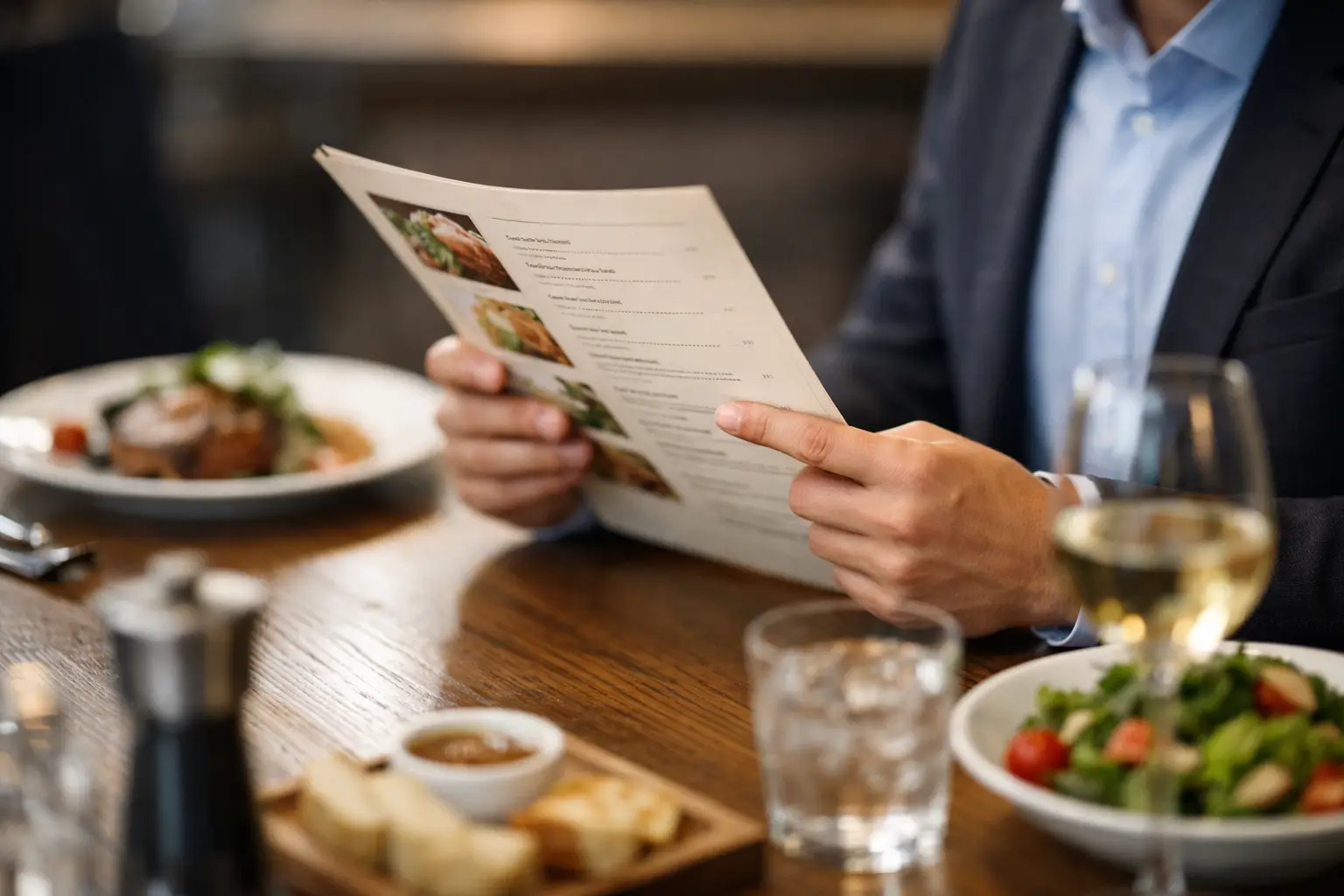
A menu can turn a simple lunch into a high-stakes guessing game. Is the “spicy” chicken pleasantly warm or painfully hot? Does the salad arrive as a full meal or a few leaves beside a tiny cup of dressing? This guide to confident menu decisions is about replacing that uncertainty with useful clues, so you can order food that fits your appetite, budget, access needs, and actual cravings.
You should not need culinary vocabulary, perfect eyesight, or endless patience to make a good choice. A clear dining decision starts with information you can understand and trust.
Start with the meal you actually want
Before reading every item on the menu, decide what a satisfying outcome looks like for you. Are you looking for something filling, quick, mild, shareable, protein-forward, or easy to take home? A dish can be popular and still be wrong for the moment.
This small check-in narrows the field fast. If you need lunch that will carry you through a long afternoon, a light appetizer may not be the best value, even if the description sounds delicious. If you are ordering late and want comfort rather than a food challenge, an unfamiliar extra-spicy specialty may create more stress than joy.
Think about the practical details, too. Your budget matters. So do dietary needs, texture preferences, allergies, and how hungry you are right now. Confidence is not about choosing the most impressive thing on the menu. It is about choosing what works for you.
Read descriptions for the details that change the dish
Menu descriptions often use big, appealing words: house-made, signature, crispy, fresh, bold. Those words can set a mood, but they do not always tell you what will land on the table. Look instead for concrete information about the protein, base, cooking method, sauce, garnishes, and sides.
A few words can dramatically change the experience. “Grilled” and “fried” signal different textures and richness. “Creamy” may mean dairy, a heavier sauce, or both. “Market vegetables” can vary by day. “Served with” may describe a substantial side, or a small accent on the plate.
When a description leaves a key question unanswered, pause before assuming. A burger listed with “special sauce” might be perfect for one person and a deal-breaker for someone avoiding dairy or spicy ingredients. If the restaurant can clarify, asking is reasonable. Clear questions help everyone: “Is the sauce spicy?” “Does this come with fries?” “Is the portion enough for one person?”
Let real photos do the work text cannot
Text tells you what a restaurant intends to serve. A real photo can show you scale, color, layering, toppings, sauce coverage, and the relationship between the main dish and its sides. That visual context is especially useful when two menu items sound nearly identical.
Photos also help set expectations. You can see whether the pasta looks sauce-heavy, whether the tacos are street-taco size, whether the salad has substantial ingredients, or whether a dessert is built for sharing. That is not superficial. It is practical information that can prevent a disappointing order and wasted money.
Still, use photos wisely. Lighting, plating, seasonal changes, and location can affect appearance. Community photos may show a dish as it was actually served, while polished restaurant images may represent an ideal presentation. Neither is automatically wrong. The most helpful visual reference is one that is accurate, recent, and clearly connected to the exact menu item.
For people with visual impairments, photos alone are not enough. Useful visual menus should work alongside clear labels, descriptive text, and assistive technology. Dining confidence grows when information is available in more than one format, not when one format replaces another.
Use a simple comparison method
When you are choosing among several dishes, compare them using the same few questions. What is the main ingredient? How is it prepared? What comes with it? How much does it cost? What evidence shows what it really looks like?
This approach is especially helpful with menus full of variations. A bowl, wrap, plate, and salad may all feature the same chicken, but their portions, toppings, and price can be very different. Rather than rereading every description from scratch, identify what changes from one option to the next.
Pay attention to add-ons, too. Restaurants often make menus look affordable by listing a base price before extras. That is not always a problem, but it is worth noticing. If avocado, protein, cheese, sauce, or a side turns a $12 meal into an $18 meal, you deserve to make that choice knowingly.
Build confidence around dietary and sensory needs
A confident order is not only about flavor. It can mean avoiding an ingredient that makes you sick, a texture you cannot tolerate, or a level of spice that ruins the meal. Menus should make this information easier to find, but diners often still need to look closely and ask direct questions.
For allergies, treat a menu label as a starting point, not a guarantee. Preparation methods, shared fryers, sauces, and substitutions can all matter. Let staff know about the allergy and ask whether the kitchen can safely accommodate it. If the answer is unclear, choosing another dish is a smart decision, not an inconvenience.
Sensory preferences deserve the same respect. Some diners need sauces on the side, dislike mixed textures, or prefer familiar foods when eating in a busy environment. There is no prize for ordering a dish that feels overwhelming. Restaurants are places for enjoyment, connection, and nourishment, not pressure.
Make room for uncertainty without letting it take over
Sometimes you will not have every answer. Maybe there are no photos yet, the menu is vague, or the person taking your order is unsure. In that moment, choose the option with the fewest unknowns that matter to you.
If you are deciding between an unfamiliar entrée and a clearly described dish you know you will enjoy, the familiar choice can be the confident one. On another day, when you have more time and feel open to experimenting, the unfamiliar dish may be worth trying. It depends on the stakes. A quick work lunch and a celebratory dinner do not require the same level of risk.
You can also reduce uncertainty by sharing. Ordering two different items with a friend can make a new restaurant feel more approachable, provided sharing works for everyone’s dietary needs. Leftovers can create a safety net for a larger portion. Small choices like these make dining more flexible.
Help create clearer menus for everyone
The best dining information is built by people who have actually eaten the food. When diners share accurate meal photos and useful details, they help the next person order with less guesswork. A clear image of a bowl, sandwich, or dessert can answer questions a description missed.
That community contribution matters beyond convenience. It supports more transparent, accessible dining for people who experience decision fatigue, use screen readers, have low vision, manage food restrictions, or simply do not want to gamble on a meal. Pic-ture That!™ is built around this idea: real food photos can give diners clearer choices while rewarding contributors who help expand menu visibility.
If you contribute, aim for honesty over perfection. Photograph the actual dish in decent light when possible. Capture the full plate or container so portion size is visible. Add the correct menu name, and avoid filters that change the food’s color beyond recognition. The goal is not to make every meal look glamorous. The goal is to make the next decision easier.
Your next order can feel simpler
Menus will never explain everything, and restaurants can change dishes without warning. But you can make better choices when you start with your needs, look for specific details, use real visual evidence, and ask for clarity where it counts. The right meal is not the one someone else would choose. It is the one you can order feeling informed, included, and ready to enjoy it.
Leave a Reply