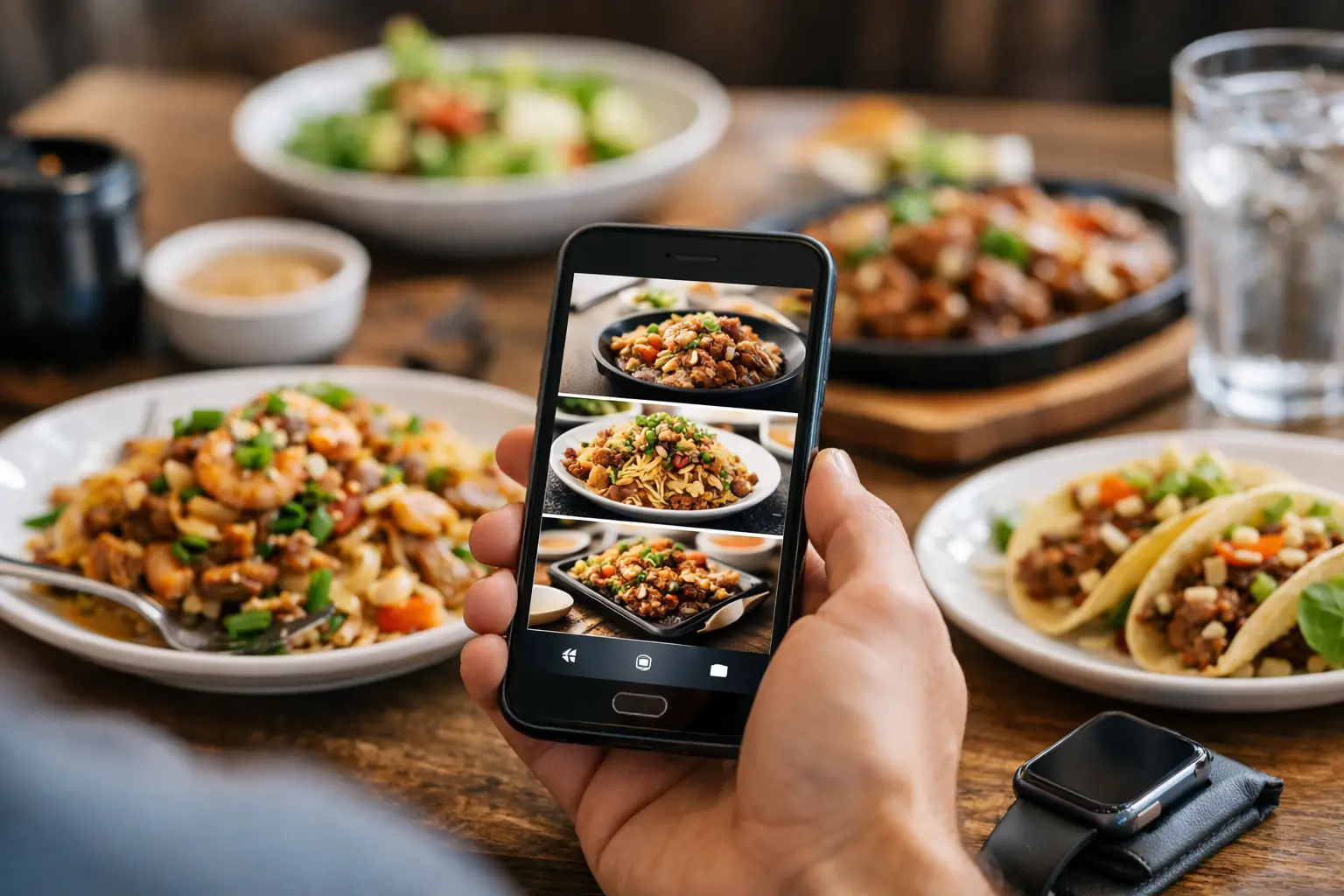
A menu says “crispy,” “loaded,” or “chef’s special.” Then the plate arrives, and it is smaller, saucier, spicier, or simply different from what you pictured. That gap is why the best apps for dish discovery matter. They help you move beyond descriptions and make a choice based on what a meal actually looks like, how people experience it, and whether it fits what you want to eat.
For diners, this is not just a nice extra. It can mean fewer disappointing orders, less money wasted on a meal you do not enjoy, and less stress when a menu has 40 unfamiliar choices. The right app gives you clearer information before you commit.
Dish discovery is different from restaurant discovery
Restaurant discovery answers, “Where should we eat?” Dish discovery answers the more immediate question: “What should I order here?” Both are useful, but they solve different problems.
A restaurant can have excellent ratings and still leave you guessing about the dish in front of you. Is the ramen broth rich or light? Does the salad come with enough protein to be filling? Is the pasta a generous bowl or a small tasting portion? Text-only menus rarely answer those questions well.
The strongest dish discovery experiences focus on the item, not just the venue. They connect menu names with current, recognizable photos and useful context from people who have actually ordered the food. That detail matters most when you are trying a new cuisine, ordering for a group, managing dietary preferences, or making a quick decision between meetings.
What the best apps for dish discovery get right
No single app is best for every diner or every meal. Some are built for delivery, some are better for finding a highly rated restaurant, and some are strongest when you want to see a specific dish before ordering. Still, the best options tend to share a few qualities.
They show real food, not just polished marketing shots
Professional restaurant photography can be beautiful, but it may not represent the dish you will receive on a busy Tuesday night. Community photos can offer a more honest look at portion size, plating, toppings, sides, and presentation.
That does not mean every casual photo is helpful. Blurry, badly lit images can create more confusion than clarity. Look for platforms that prioritize clear photos and connect them to the correct restaurant and menu item. Accuracy is the difference between food inspiration and genuinely useful decision support.
They make the menu easier to understand
A good dish discovery app should not force you to decode vague menu language. It should help you compare similar items, recognize ingredients, and see what makes one option different from another.
For example, a photo may reveal that two tacos have very different fillings, or that a “spicy” rice bowl is topped with a sauce you would rather avoid. Visual information works alongside menu descriptions. It gives diners another way to process the choice before placing an order.
They respect the reality of changing menus
Restaurants swap seasonal ingredients, revise portions, and change plating. An app with years-old photos may still be useful for inspiration, but it is less reliable for a purchase decision. Recent contributions, visible dates, and active community participation are good signs that dish coverage reflects what is being served now.
There is a trade-off here. A newer platform may have fewer restaurants or fewer photos in your neighborhood, while a larger platform may have broader coverage but less dish-level detail. Check whether the app is useful for the places you actually order from, not just the places you hope to try someday.
They support accessible, lower-stress choices
Seeing a dish can reduce decision fatigue, especially when menus are long, unfamiliar, or packed with similar options. But images alone do not make an app accessible. The best experiences also consider readable text, descriptive image information, logical navigation, and a design that does not overwhelm users with clutter.
For people with visual impairments, accessible labels and thoughtful screen-reader support are essential. For anyone who feels stuck choosing from a huge menu, clear dish organization and helpful visual context can make ordering feel more manageable. Dining confidence should not depend on how easily someone can interpret a vague description.
The app categories worth using
Rather than treating every food app as interchangeable, choose based on the decision you need to make.
Visual menu platforms
These platforms are designed around seeing dishes before ordering. They are the best fit when the main question is whether a specific entree, appetizer, dessert, or drink looks worth your money. A visual menu library can be especially helpful for local takeout, new restaurants, and meals where presentation or portion size matters.
Pic-ture That!™ fits this category by centering authentic dish images and community contributions. Its approach treats food photos as a transparency and accessibility tool, not just a way to make scrolling more tempting. Users can help build menu coverage by sharing meal photos and earning rewards such as restaurant gift cards.
Delivery apps
Delivery apps are practical when you are ready to order and want to compare nearby options, fees, estimated arrival times, and menu availability in one place. Many include photos, but coverage can be uneven. One restaurant may have an image for every item, while another has only a few generic pictures.
Use these apps for logistics, then take a closer look at the images associated with the exact item you want. Do not assume a featured photo represents every variation, size, or combination on the menu.
Restaurant review apps
Review apps are useful for checking the overall experience: service, atmosphere, wait times, and broad food quality. Their photo sections can also be valuable, particularly for popular dishes with lots of customer uploads.
The limitation is organization. You may have to scroll through dozens of dining-room photos, cocktail shots, and unrelated meals to find the one dish you are considering. They work best as a second opinion rather than a dedicated visual menu.
Social food communities
Social platforms can be great for discovering trending dishes, local specialties, and cuisines you have not tried before. They are where a neighborhood bakery, a hidden noodle shop, or a wildly photogenic dessert often gets its first burst of attention.
Still, social content is built for attention, not always accuracy. A viral post may feature a limited-time item, an influencer-only presentation, or a dish from another location. Treat it as inspiration, then verify the current menu and item details before ordering.
Reservation and restaurant apps
These are useful when you are planning a meal out and want to assess a restaurant before booking. They can help you narrow down cuisine, price range, location, and availability. For actual dish-level confidence, though, you may need more visual detail than a restaurant profile provides.
A quick way to test an app before you rely on it
Before making an app part of your ordering routine, try it with a restaurant you already know. Search for a dish you have ordered before and ask whether the app would have prepared you for what arrived.
Look for four things: photos tied to specific menu items, images that appear current and realistic, enough detail to compare portions or ingredients, and navigation that feels usable when you are hungry and in a hurry. If you cannot find the exact dish without a long scavenger hunt, the app may be better for browsing than buying.
It is also worth checking how the platform handles community content. Does it encourage helpful contributions? Are uploads connected to the right restaurant and dish? A photo library becomes more valuable when many diners add clear, accurate images over time.
Better food choices start with better visibility
Ordering food should not feel like a gamble based on clever menu wording. The best dish discovery apps give diners a clearer view of what is possible, while making room for different needs, tastes, and ways of making decisions.
The next time a menu leaves you stuck between two unfamiliar dishes, look for the evidence that matters: a real image, useful context, and a choice that feels right for you. A more confident meal can start before the first bite.
Leave a Reply