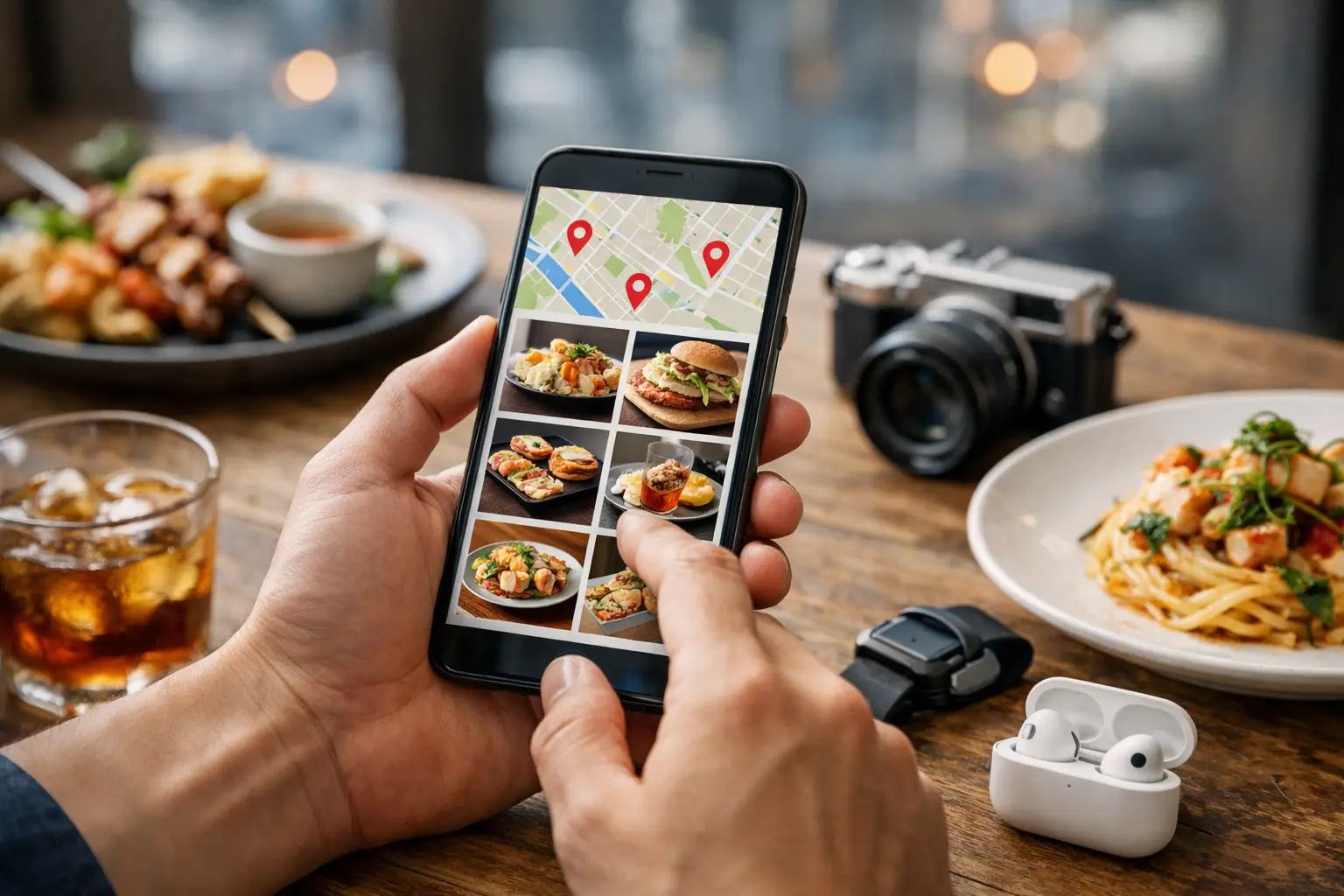
A restaurant menu can promise “crispy,” “house-made,” or “chef’s favorite” all day long. But when you are spending real money on lunch, dinner, or delivery, you deserve more than a guessing game. The best apps for restaurant discovery help you answer the questions that actually matter: What does the food look like? Is this place right for my needs? Can I get a table? And will this order feel worth it when it arrives?
No single app does every job equally well. Some are great at finding nearby spots, some are built around reservations, and others make it easier to understand what is on the plate before you order. The right mix depends on how you like to dine, how much time you have, and how much certainty you want before checkout.
What Makes a Restaurant Discovery App Worth Using?
A useful restaurant app does more than show a map full of pins. It reduces friction between craving something and making a confident choice. That can mean current hours, reliable reviews, dietary filters, reservation availability, or authentic photos of specific dishes.
Visual information deserves special attention. Restaurant menus are often text-heavy, inconsistent, and short on detail. A photo can help someone compare portion sizes, spot ingredients, understand presentation, or decide whether a dish looks appealing. For diners with decision fatigue, that added context can turn an overwhelming menu into a manageable choice.
Photos are not a complete accessibility solution on their own. Apps should also support clear labels, thoughtful descriptions, and compatibility with assistive technology. Still, accurate visuals can make dining more transparent for more people, especially when they show the actual dish instead of a heavily staged promotional image.
7 Best Apps for Restaurant Discovery
1. Google Maps for nearby options and practical details
Google Maps is often the first stop when you need food nearby, fast. It is especially useful for checking location, hours, phone numbers, busy times, price range, and recent customer photos in one place. Searching broad terms such as “late-night noodles,” “patio brunch,” or “wheelchair accessible restaurant” can quickly narrow a neighborhood’s options.
Its biggest strength is scale. Nearly every restaurant has some presence, even if the listing is incomplete. The trade-off is quality control. Photos and reviews can be outdated, menu links may not reflect current pricing, and a high star rating does not tell you whether a specific dish will work for you. Use it to build a shortlist, then look closer before deciding.
2. Yelp for detailed customer experiences
Yelp remains useful when you want to read beyond a restaurant’s own marketing. Reviewers often share specifics about service, wait times, noise level, portions, parking, and how a restaurant handles dietary requests. The photo section can also reveal what regular guests are actually ordering.
This app is most helpful when you read patterns rather than treating one review as the final word. Ten people mentioning long waits or excellent tacos tells you more than a single glowing or angry post. Yelp can be less useful for a quick decision, though, because sorting through opinions takes time and reviews can reflect personal expectations as much as restaurant quality.
3. OpenTable for plans that need a reservation
OpenTable is a strong choice when the restaurant is part of the occasion. If you are planning a birthday dinner, coordinating a group, or simply do not want to gamble on a long wait, reservation tools bring clarity to the process. You can compare available time slots, browse restaurant details, and make a plan without calling several places.
The limitation is coverage. Many excellent independent restaurants do not use OpenTable, and availability can make a popular place look unavailable when walk-ins are still possible. Think of it as a planning tool, not a complete directory of every good meal in town.
4. Resy for sought-after restaurants and city dining
Resy is particularly helpful in markets where booking the right restaurant feels competitive. Its reservation-focused experience works well for diners who follow new openings, chef-driven restaurants, and destination dining. Restaurant profiles can offer a clearer sense of atmosphere and occasion than a basic map listing.
It is less essential for casual, last-minute meals. If your goal is simply to find a dependable sandwich or a family-friendly spot nearby, Google Maps may get you there faster. But for a dinner you have been looking forward to all week, Resy can help you move from “maybe” to confirmed.
5. HappyCow for plant-based and vegetarian dining
For vegans, vegetarians, and anyone dining with plant-based preferences, HappyCow can save a lot of menu detective work. It focuses on restaurants with vegan, vegetarian, and veg-friendly options, helping users find places that are more likely to offer real choices instead of one accidental side dish.
The app is valuable because dietary fit is not always obvious from a restaurant’s category. A cafe may have excellent vegan pastries, while a restaurant labeled “healthy” may have very little for a plant-based diner. As always, check recent reviews and the current menu when allergies or strict dietary needs are involved. Filters are helpful, but they should not replace a direct conversation with the restaurant about cross-contact or ingredients.
6. TikTok for food that looks as good as it sounds
TikTok has changed how many people discover restaurants. A short video can show the pull of a cheese-stuffed crust, the size of a ramen bowl, the energy of a packed dining room, or the exact dessert everyone is posting. For visual diners, that kind of context is powerful.
But TikTok is best treated as inspiration, not verification. Viral restaurants can be crowded, content may be months old, and a creator’s favorite dish may not match your tastes or budget. When a video catches your attention, confirm hours, menu availability, and recent feedback elsewhere. The most shareable meal is not automatically the best meal for you.
7. Pic-ture That!™ for seeing dishes before you order
Pic-ture That!™ is built around a gap that traditional restaurant discovery tools often leave open: menus tell you what a dish is, but they do not always show you what you are about to buy. The platform focuses on authentic, high-quality images of restaurant meals, giving diners more confidence before ordering.
That matters when you are choosing between unfamiliar dishes, managing decision fatigue, or trying to avoid spending money on something that looks nothing like you expected. Community members can contribute meal photos and earn rewards such as restaurant gift cards, helping build a more useful, more transparent picture of local menus together.
Because the platform is in beta, coverage will vary by restaurant and location. That is part of the opportunity. Early users are not just browsing a photo library – they are helping create clearer menu information for the next person deciding what to order.
How to Use Restaurant Discovery Apps Without Getting Overwhelmed
The easiest way to make better decisions is to give each app a job. Start with a map or search app to find restaurants in the right area. Use review platforms to check for recurring concerns about service, value, or accessibility. If you need a table, move to a reservation app. Then look for current photos of the dishes you are seriously considering.
Avoid trying to research every restaurant in a five-mile radius. Pick two or three options that fit your budget, schedule, and preferences. Then ask a simple final question: can I picture myself enjoying this meal? If the answer is still unclear, look for more specific dish photos or choose a place with better menu transparency.
It also helps to be thoughtful about recency. A beautiful photo from three years ago may not represent today’s portion, presentation, or menu. Recent user photos, current menu listings, and multiple perspectives are usually more useful than one polished image from the restaurant itself.
The Best Restaurant App Is the One That Gives You Clarity
Restaurant discovery is personal. A diner planning a special date night needs something different from a parent ordering takeout, a traveler looking for local favorites, or someone who needs to see food before making a choice. That is why using more than one app is often smarter than relying on a single rating or viral post.
The next time a menu leaves you unsure, do not settle for guesswork. Look for the details, the real experiences, and the visuals that help you choose with confidence. Better dining decisions start when everyone gets a clearer view of what is on the table.
Leave a Reply