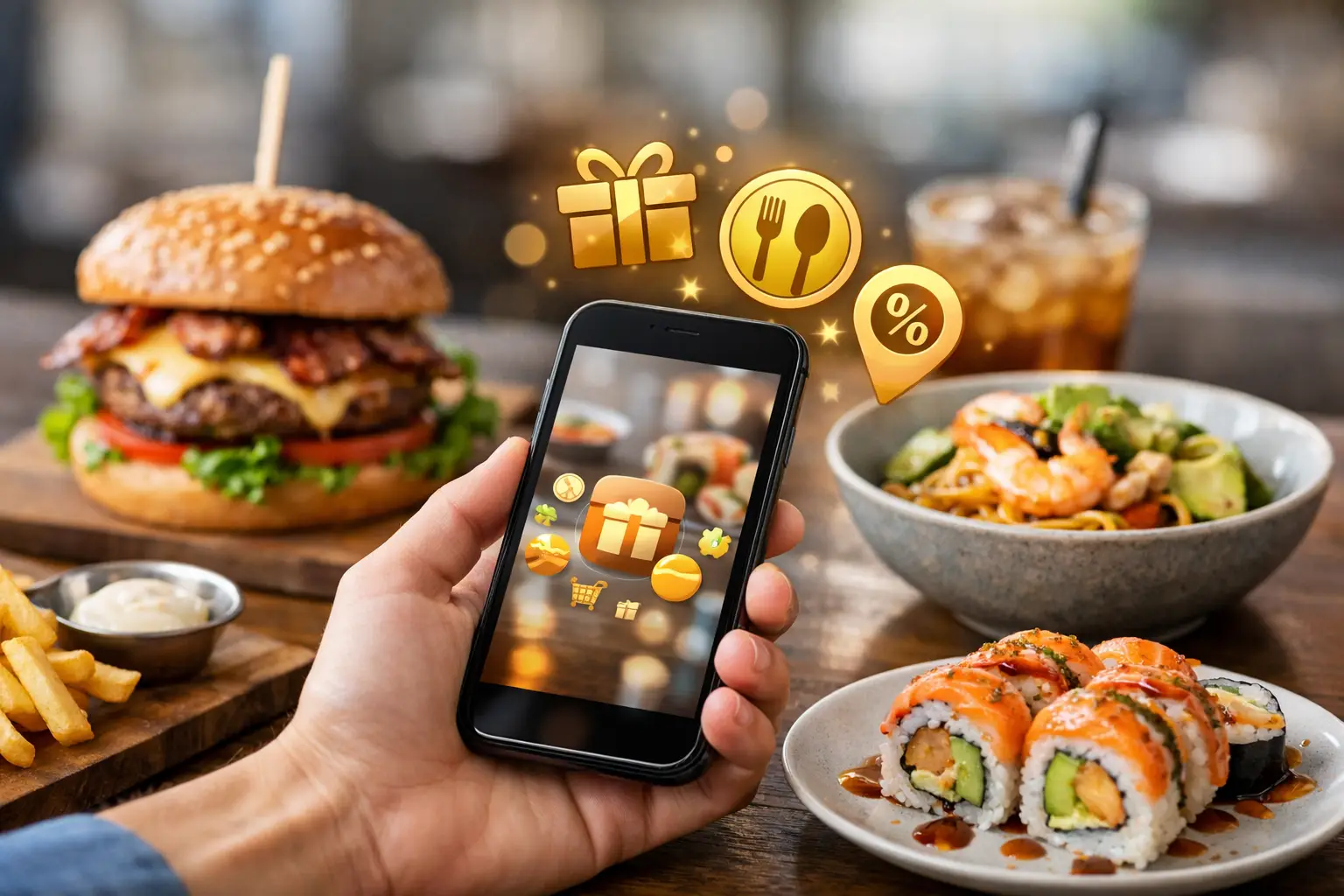
A restaurant reward should feel like a win, not homework. If you are already trying to decide whether the spicy ramen is actually creamy, whether the salad is filling, or whether a new takeout spot is worth the price, you should not need five extra steps to get something back.
The best reward apps for foodies do more than hand out occasional coupons. They help you spend with more confidence, save on meals you already want, reduce food waste, or turn your dining knowledge into something valuable for others. The right mix depends on how you eat, where you live, and whether your biggest goal is cash back, free food, better restaurant choices, or all three.
What makes a food reward app worth your time?
A useful food app has a clear exchange: you buy, dine, share, or contribute, and you receive a benefit that is easy to understand. That benefit may be points, cash back, a discounted surprise bag, a restaurant gift card, or simply better information before you spend money.
Foodies should also look beyond the biggest advertised offer. A 20% reward at a restaurant you would never choose is less valuable than a smaller reward on your regular coffee, grocery run, or favorite neighborhood dinner. Check whether an app works in your area, whether offers need to be activated before purchase, and how difficult it is to redeem what you earn.
Accessibility matters here, too. Text-heavy menus can create real barriers for diners with visual impairments and can overwhelm anyone dealing with decision fatigue. Apps that make food choices clearer, rather than adding more friction, deserve a place on your phone.
8 best reward apps for foodies
1. Pic-ture That!™ for food photos that help everyone choose
Pic-ture That!™ takes a different approach to rewards. Rather than asking you to spend more, it invites diners to contribute authentic photos of restaurant dishes to help build a more transparent visual menu experience. Contributors can earn restaurant gift cards while helping other people see what they may be ordering before they order it.
That community benefit is the point. A clear photo can help a person with a visual impairment, a picky eater, someone managing decision fatigue, or anyone who has been burned by a vague menu description. If you already take a quick meal photo before the first bite, this is a rewarding way to make that habit useful.
2. Fetch for simple receipt rewards
Fetch is a strong fit for people who want a low-effort way to earn points from grocery receipts. You scan a receipt after shopping, build points, and redeem them for gift cards. Its value is usually strongest when your cart includes participating brands or when bonus offers line up with products you already buy.
The trade-off is that the biggest point totals often come from brand-specific promotions. Do not let an offer steer your cart toward snacks or drinks you did not plan to purchase. Used casually, Fetch can turn ordinary grocery receipts into an occasional dinner-out fund.
3. Ibotta for planned grocery savings
Ibotta is best for the shopper who is willing to plan before heading to the store. You browse and add offers, shop at eligible retailers, then submit proof of purchase or connect a supported loyalty account. Cash back can add up quickly when you match deals to staples your household already uses.
For food lovers, Ibotta can be especially helpful when testing new ingredients, stocking up for a dinner party, or buying packaged products at a good price. It takes more attention than a basic receipt scanner, so it is not ideal for everyone. But for intentional grocery shoppers, the extra minute can be worth it.
4. Upside for cash back on everyday stops
Upside is known for cash-back offers at eligible gas stations, convenience stores, and some restaurants. Availability varies widely by location, which means it is most useful when it naturally fits your regular route. Check nearby offers before filling up the tank or grabbing a drink and snack on the way home.
This is not a food discovery app, and it will not help you choose a great dinner. Its role is more practical: reclaim a little money from purchases that are already part of your week. If your local map includes restaurants you genuinely enjoy, that is a welcome bonus.
5. Too Good To Go for affordable food with a purpose
Too Good To Go centers on surplus food. Participating bakeries, restaurants, cafes, and stores sell surprise bags of food at reduced prices near closing time rather than letting usable items go to waste. The reward is immediate: you pay less and help reduce food waste.
The surprise factor is both the fun and the limitation. You may get an excellent assortment of pastries or prepared food, but you usually cannot control every item. It works best for flexible eaters who enjoy trying what is available and can pick up within a set time window.
6. Seated for dining out in participating cities
Seated offers rewards for booking and dining at participating restaurants, often with points or gift-card-style rewards after a completed visit. For frequent diners in markets where it has strong restaurant coverage, it can make date nights, group dinners, and special occasions feel more rewarding.
Coverage is the deciding factor. Before relying on it, see whether the restaurants near you match your actual taste and budget. It is far more useful when it helps you discover places you would happily visit anyway, not when it turns dinner plans into a search for the highest offer.
7. OpenTable for reservation-based dining rewards
OpenTable can reward diners for completed reservations at participating restaurants. It is especially handy for people who already use reservations to avoid long waits or organize meals with friends. The points are a nice extra on top of a tool that solves a real planning problem.
Still, reservations are not how everyone eats. Quick counter-service lunches, delivery nights, and spontaneous neighborhood meals may not qualify. Think of OpenTable as a dining-out layer in your reward strategy, not the only app you need.
8. Your favorite restaurant’s own app
Restaurant-specific apps are easy to overlook, but they can be the most dependable option if you have a regular order. Coffee shops, fast-casual chains, pizza spots, and local restaurants may offer points, birthday treats, order-ahead perks, or members-only promotions. The rewards are often modest, but they are tied to places you already visit.
The key is restraint. Keep apps for the two or three restaurants you truly return to, then turn off promotional notifications that tempt you into unnecessary spending. A reward should support your routine, not create a new one.
Build a reward mix that matches how you eat
You do not need all eight apps. Most diners will get better results from choosing one app for grocery receipts, one for restaurant visits or food savings, and one that improves confidence before ordering. That approach keeps the effort manageable while covering the moments where food spending adds up.
If you cook often, pair a grocery-focused option like Fetch or Ibotta with a surplus-food app for flexible treats. If you dine out regularly, a reservation app and one or two favorite restaurant loyalty programs may make more sense. If choosing from a menu is the hardest part, prioritize tools that provide clearer, more useful information about the food itself.
Before you download anything, ask one simple question: would I still use this app if the reward were smaller? If the answer is yes, it is probably helping you eat better, spend more intentionally, and make choices that feel like your own. That is the kind of reward worth keeping.
Leave a Reply