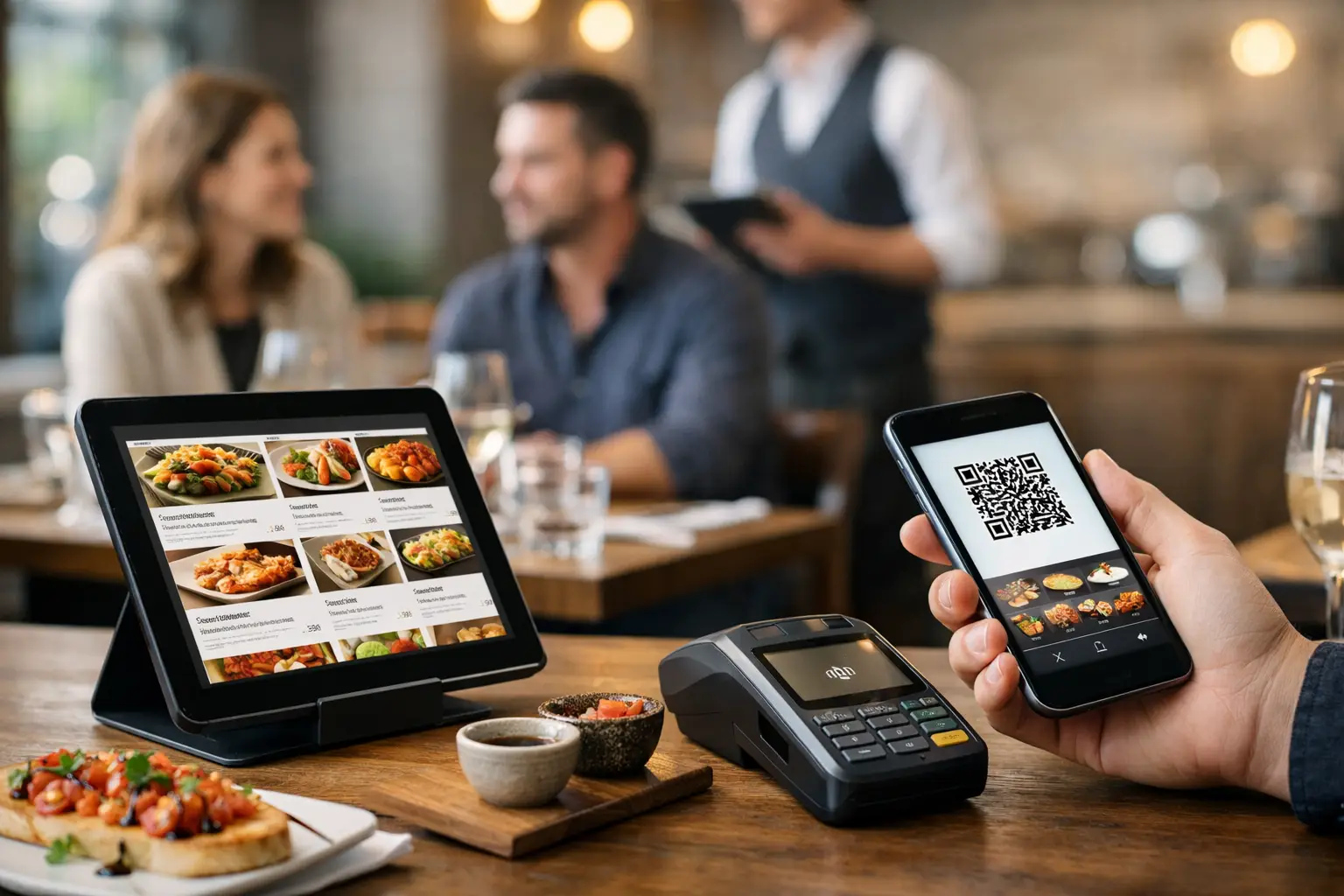
A menu used to be a list of names, ingredients, and prices. Now, trends in restaurant menu technology are changing that basic experience into something more visual, personal, and useful. For diners, the biggest shift is simple: less guessing before spending money on a meal.
That matters when a dish description is vague, a menu is long, or an order is a treat you do not want to get wrong. It matters for people with visual impairments, people managing dietary needs, and anyone who has felt decision fatigue while scrolling through 40 menu items. The best menu technology does not add screens just for the sake of it. It gives people clearer information and more control.
Trends in restaurant menu technology are shifting the menu
Restaurant technology often gets framed around speed: faster ordering, quicker payment, shorter lines. Those benefits are real. But the more meaningful change is about confidence. Diners want to know what they are getting, how a dish is prepared, whether it fits their needs, and whether the portion looks worth the price.
Restaurants are responding with digital menus that can do more than a printed card ever could. The opportunity is not to replace hospitality with a QR code. It is to make the menu easier to understand before a guest has to flag down a server, commit to an order, or deal with a disappointing surprise.
Real food photography is becoming decision-making information
Food photos are no longer just promotional content for a restaurant’s social feed. Increasingly, they are part of the ordering experience. A clear image can answer questions that text cannot: Is the sandwich stacked or open-faced? Does the salad look filling? How much sauce comes with the entrée? What does “loaded” actually mean?
Authenticity is the key. A heavily styled studio image may look beautiful, but it can create another kind of uncertainty if the meal that arrives looks nothing like it. Diners are looking for photos that represent the dish they are likely to receive, including portion size, presentation, and meaningful details.
Community-powered photos have a role here because they show food in real dining situations. They are not perfect, and photo quality needs thoughtful standards, but they can help build a more honest picture of a restaurant menu. Platforms such as Pic-ture That!™ are built around this idea: seeing real meals before ordering can make dining more transparent and less stressful.
Accessibility is moving from an afterthought to a menu standard
A digital menu is not automatically accessible simply because it appears on a phone. Tiny text, poor color contrast, image-only menus, inaccessible QR code flows, and confusing navigation can all create barriers. Good menu technology is designed for different ways of seeing, reading, processing, and ordering.
For guests with visual impairments, useful features can include screen-reader-friendly menu structure, descriptive image text, adjustable text size, high contrast, and clear labels for dietary details. Visual dish images can also support confidence for guests who benefit from more context, but images should complement accessible text rather than replace it.
Accessibility helps more people than many restaurants realize. Clearer layouts support older guests, people ordering in bright sunlight, customers using cracked phone screens, and anyone trying to make a quick choice while juggling a busy day. When menus are easier to use, more people can participate fully in the dining experience.
AI can improve discovery, but it cannot replace accuracy
Artificial intelligence is appearing across restaurant ordering, from recommendations to chatbot support and menu descriptions. Used carefully, it can help diners narrow choices based on preferences such as spice level, ingredients, dietary restrictions, or past orders. It can also help restaurants organize menu data that changes frequently.
Still, AI has a clear limit: it should not invent details about food. A generated description that wrongly identifies an ingredient or overpromises a portion can create a bad experience fast. The same applies to AI-generated food imagery. If a picture is not an accurate representation of the dish, it may be visually appealing but it is not useful menu information.
The better use case is assistance, not substitution. Technology can help guests find relevant options, translate complex menu language, or surface verified photos. Restaurants still need accurate data, human review, and a clear way to communicate when an item has changed.
Better menus connect dietary information with real choices
Allergen and dietary filters are becoming more common, and they can be genuinely helpful. A diner looking for vegetarian, gluten-conscious, dairy-free, or nut-free options should not have to decode every description alone. But filters must be handled carefully, especially when cross-contact or kitchen practices are involved.
The strongest menus distinguish between ingredient-based information and safety guarantees. For example, a menu can identify dishes made without a particular ingredient while clearly stating when a shared kitchen may create cross-contact risk. That kind of clarity respects diners instead of giving false reassurance.
Visuals can make these filters more useful, too. A person may know a dish is vegetarian but still want to see whether it is a substantial meal or a small side. Technology works best when it brings the practical details together: ingredients, preparation notes, price, image, customization options, and plain-language context.
QR codes are evolving past the basic PDF
The QR menu is here to stay, but the basic PDF version has obvious limits. It is often hard to read on a small screen, difficult to search, and frustrating for guests who need larger text or assistive technology. It also does little to help a diner compare options quickly.
More useful digital menus are searchable, organized by category, easy to update, and designed for mobile screens from the start. They can show photos where photos answer real questions, offer language options, and allow guests to save favorites for later. For a restaurant, updates can happen without reprinting menus every time a seasonal dish changes or an ingredient runs out.
There is a trade-off, though. Not every guest wants to scan a code, download an app, or use a phone at the table. Restaurants should keep a human-friendly alternative available, whether that is a printed menu, staff assistance, or both. Choice is part of accessibility.
Personalized ordering should feel helpful, not intrusive
Menu technology can learn what a guest tends to enjoy and make future ordering easier. Someone who regularly chooses spicy dishes may appreciate a recommendation. A customer who avoids shellfish may want those options filtered out by default. Personalization can reduce decision fatigue when it is transparent and easy to control.
But diners should not have to trade privacy for a decent menu experience. Restaurants and platforms need to be clear about what information is collected, why it is used, and how users can change their settings. The most trusted tools give guests useful choices without making them feel watched.
The community is becoming part of menu coverage
No restaurant can photograph every dish in every variation, especially when menus change often. That creates room for diners to help build a fuller, more current view of what is being served. Community contributions can add fresh photos, flag outdated items, and show how meals look across locations and seasons.
For this model to work, contributors need a reason to participate and the platform needs quality controls. Rewards such as restaurant gift cards can recognize the value of a useful upload. At the same time, clear photo guidelines, moderation, and item matching help keep the information trustworthy.
This is bigger than sharing food for likes. It is a way for diners to help other diners make better choices. One clear photo of a meal can save someone else from ordering blind.
What restaurants should prioritize next
The smartest restaurant menu technology will not be the flashiest. It will be the technology that removes friction without removing choice. Start with accurate menu data, readable mobile design, and meaningful accessibility features. Then add visuals and personalization where they genuinely improve a guest’s decision.
A beautiful interface cannot make up for a confusing menu, inaccurate photo, or inaccessible checkout flow. Restaurants should also measure more than clicks. Are guests finding what they need? Are they ordering with fewer questions? Are fewer meals being sent back because expectations did not match reality?
The future of the menu is not about making every dining decision automatic. It is about giving every diner a clearer view of their options, so the next order feels less like a gamble and more like their choice.
Leave a Reply