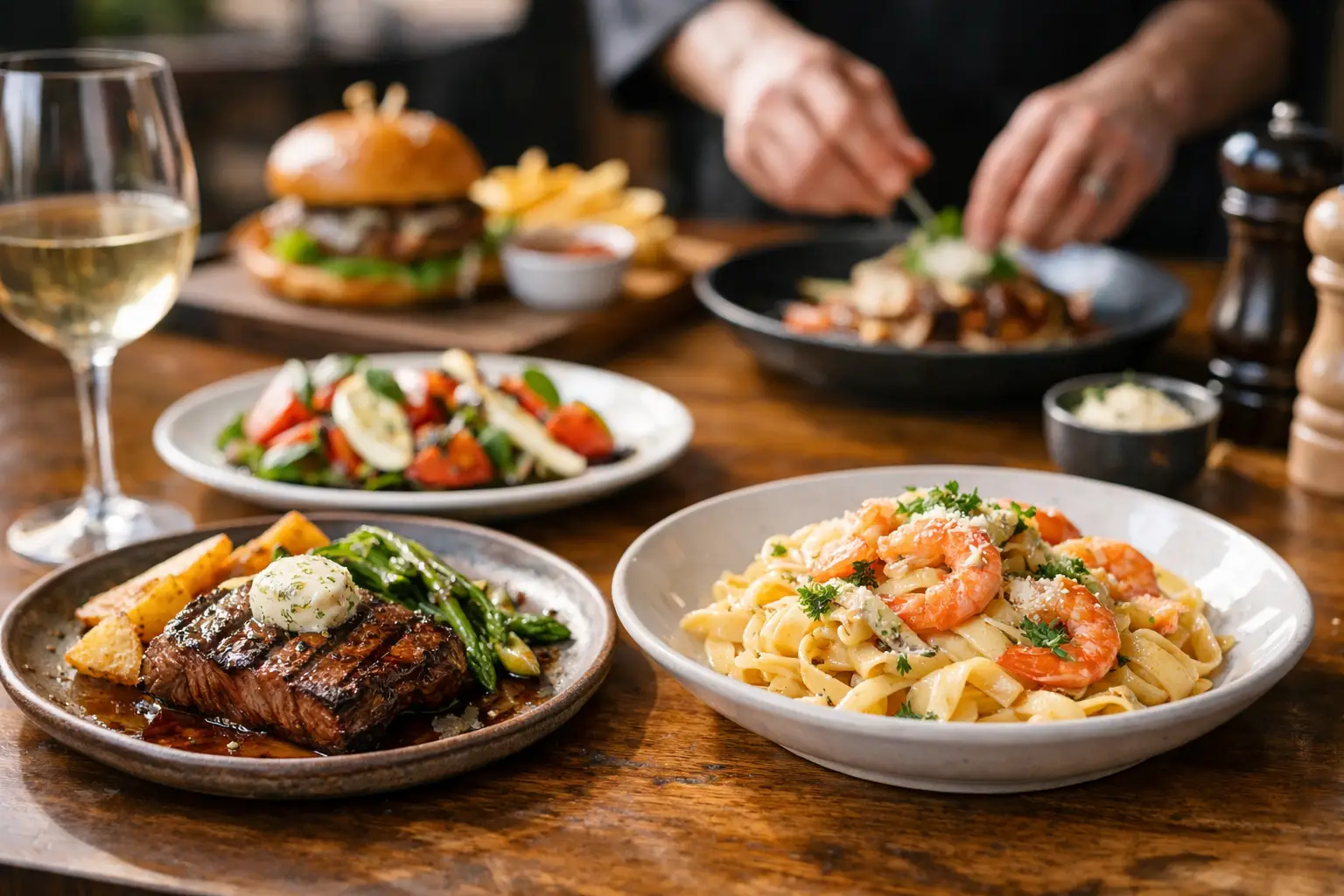
You know the feeling: the menu sounds great, the photo on a delivery app looks polished, and then the dish shows up looking like a completely different meal. That gap is exactly why authentic restaurant dish images matter. They do more than make food look appealing. They help people order with confidence, spend more wisely, and navigate menus with a lot less guesswork.
For a lot of diners, this is not a minor convenience. It is the difference between feeling sure about an order and feeling stuck. If you live with a visual impairment, deal with decision fatigue, have sensory preferences, or just want to avoid wasting money on something that is not what you expected, real dish photos change the experience in a meaningful way.
What authentic restaurant dish images actually do
A menu description can only carry so much weight. Words like crispy, hearty, spicy, loaded, or house-style sound helpful until you realize they mean different things at different restaurants. One person reads “light sauce” and pictures a drizzle. Another gets a bowl swimming in cream. A photo grounded in reality closes that gap fast.
Authentic restaurant dish images show portion size, plating, ingredient balance, and how a meal actually tends to arrive. That last part matters. The goal is not perfection. The goal is accuracy. Diners are not asking for studio fantasy. They want to know whether the burger is stacked high, whether the salad is mostly greens or mostly toppings, whether the taco plate is full or surprisingly small, and whether the “crispy” fries look fresh or limp.
That kind of visual context supports better choices. It also creates a more transparent relationship between restaurants and customers. When people can see what they are ordering, they are less likely to feel misled, and more likely to feel good about the purchase they just made.
Why authenticity beats polished marketing photos
Professional food photography has a place. Restaurants need attractive visuals for websites, ads, and promotions. But marketing photos and decision photos are not always the same thing. A promotional image is designed to sell the ideal version of a dish. An authentic image is designed to show the real one.
That difference matters most at the moment of purchase. If someone is deciding between two pasta dishes, they are not just looking for something pretty. They want evidence. Which one looks heavier? Which one has more sauce? Which one appears to have actual vegetables instead of a garnish placed for the camera?
Polished photos can still be useful, but they often leave out the details diners care about most. Lighting is optimized. Portion size can be hard to judge. Ingredients may be arranged for style rather than realism. None of that makes a restaurant dishonest by default, but it does make decision-making harder when a customer wants clarity, not advertising.
Authenticity is especially valuable because food is personal. People order based on hunger level, budget, texture preferences, dietary needs, and expectations. A beautiful image that oversells a dish can create disappointment. A real image that sets the right expectation can create trust.
Authentic restaurant dish images and accessibility
This is where the conversation gets bigger than convenience. Authentic restaurant dish images are also an accessibility tool.
Menus are often built around text, and text has limits. A dish description may mention ingredients but still fail to communicate what the meal looks like as a whole. That can make ordering harder for people with visual impairments, cognitive overload, sensory sensitivities, or anyone who struggles to picture a dish from written language alone.
Real images offer another path to understanding. They reduce the mental work required to interpret a menu. They can help someone compare options faster, spot foods they know they like, and avoid ingredients or formats that do not work for them. In that sense, visual transparency is not extra polish. It is part of a more inclusive dining experience.
That is one reason this space matters so much. When restaurants and platforms treat photos as a flashy add-on, they miss the point. Accurate food imagery helps people participate more fully in everyday dining decisions. It supports independence. It reduces uncertainty. It gives people more control over what they spend money on and what ends up on their table.
Better ordering starts with better expectations
Most bad food orders are not caused by bad food. They are caused by bad expectations.
A sandwich can be perfectly fine and still disappoint if you expected a hot pressed panini and got a cold deli-style sub. A curry can taste great and still feel wrong if the portion is much smaller than you thought. A dessert can be delicious and still miss the mark if the menu implied one thing and the plate delivered another.
This is where authentic images quietly improve the whole dining process. They help diners calibrate expectations before they buy. That means fewer regretted orders, fewer frustrated reviews, and fewer moments where someone feels like they took a gamble and lost.
It also helps with comparison. When multiple dishes sound similar, real photos can reveal meaningful differences in seconds. One burrito bowl may be rice-heavy. Another may lean protein-forward. One ramen may look rich and creamy. Another may look lighter and brothier. That kind of clarity supports smarter, faster choices.
Community-powered images make the experience stronger
There is another layer here that matters: who takes the photo.
When real diners upload meal photos, the result is often more useful than a brand-managed image library alone. Community-powered images show dishes in normal conditions, from normal angles, on normal tables. They reflect what food actually looks like when it arrives for lunch, dinner, takeout, or delivery.
That does not mean every user photo is automatically helpful. Quality still matters. A blurry image with poor lighting can create confusion instead of clarity. But when a platform encourages clear, honest, high-quality uploads, the community becomes a powerful source of menu transparency.
That model also builds trust differently. People tend to recognize when a photo feels real because it carries the texture of an actual dining experience. It is not trying too hard. It is just showing the meal. For diners, that can feel more credible than a highly styled shot with perfect garnish placement and controlled lighting.
For a platform like Pic-ture That!™, that community role is part of the mission. It is not just about collecting food photos. It is about giving people the visual information they need while inviting them to help build a more accessible, more transparent dining ecosystem.
What makes a dish image truly useful
Not every authentic image is equally helpful. The most useful ones answer practical questions quickly.
A strong dish photo usually shows the full plate or container, includes enough context to suggest scale, and captures the food in lighting that reflects reality without making it look dull or distorted. The angle should make key ingredients visible. If the dish includes sides, sauces, or toppings, those details should be easy to spot.
There is a balance here. Images should be honest, but still clear enough to support decision-making. If a photo is technically authentic but too dark, too close, or cropped in a way that hides the portion, it loses value. Accuracy and usability need to work together.
The best authentic food images are not trying to impress. They are trying to inform. That difference changes how people use them.
Why this matters for restaurants too
Transparency helps diners, but it also helps restaurants in the long run.
When guests know what to expect, they tend to order more confidently. That can reduce friction, lower disappointment, and improve satisfaction. It may even lead people to try dishes they would have skipped if they only had a vague text description to go on.
There is a trade-off, of course. Some restaurants worry that real-world images will look less flattering than professional photos. Sometimes that is true. But a less polished image that accurately represents the dish can build more trust than a stunning image that overpromises. And trust is what brings people back.
The bigger opportunity is alignment. If the dish consistently looks good in authentic photos, that is a strong signal that the restaurant is delivering a reliable product. If the images vary wildly, that may reveal an operations issue worth fixing. Either way, honest visuals tell a useful story.
The future of menu transparency
Menus have stayed text-heavy for a long time, even though ordering is deeply visual. That gap is starting to look outdated.
As more diners expect real-world information before they buy, authentic restaurant dish images will become less of a nice extra and more of a baseline expectation. Not because people want endless content, but because they want less uncertainty. They want to see the meal, trust the choice, and move on with confidence.
That shift is good for everyone. It makes ordering more accessible. It makes dining decisions less stressful. It rewards honesty over hype. And it gives communities a real role in making food discovery better.
If a menu tells you what a dish is, a real photo helps you decide whether it is actually for you. That is a small change on the surface, but for a lot of people, it makes eating out feel clearer, fairer, and a lot more worth it.
Leave a Reply